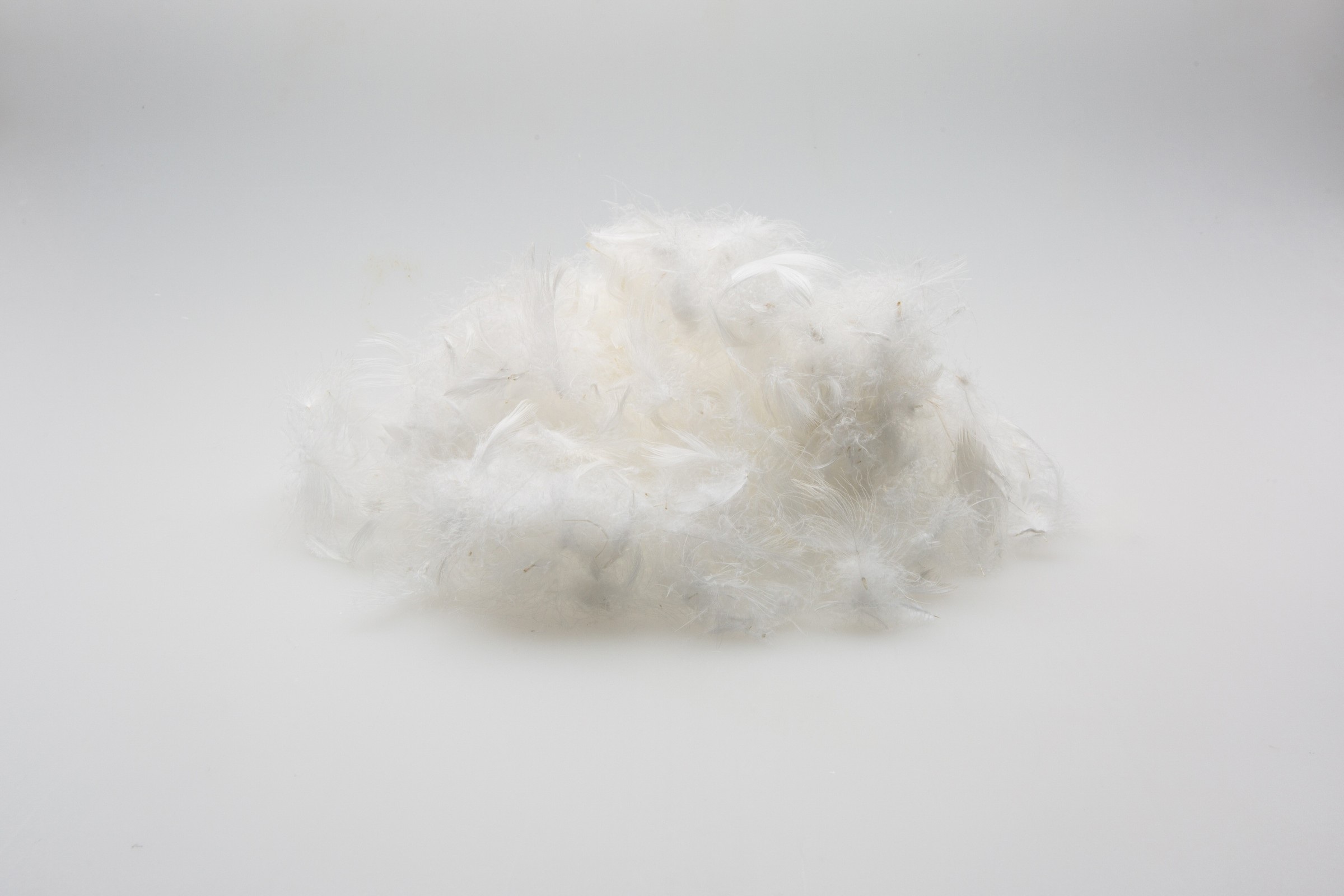
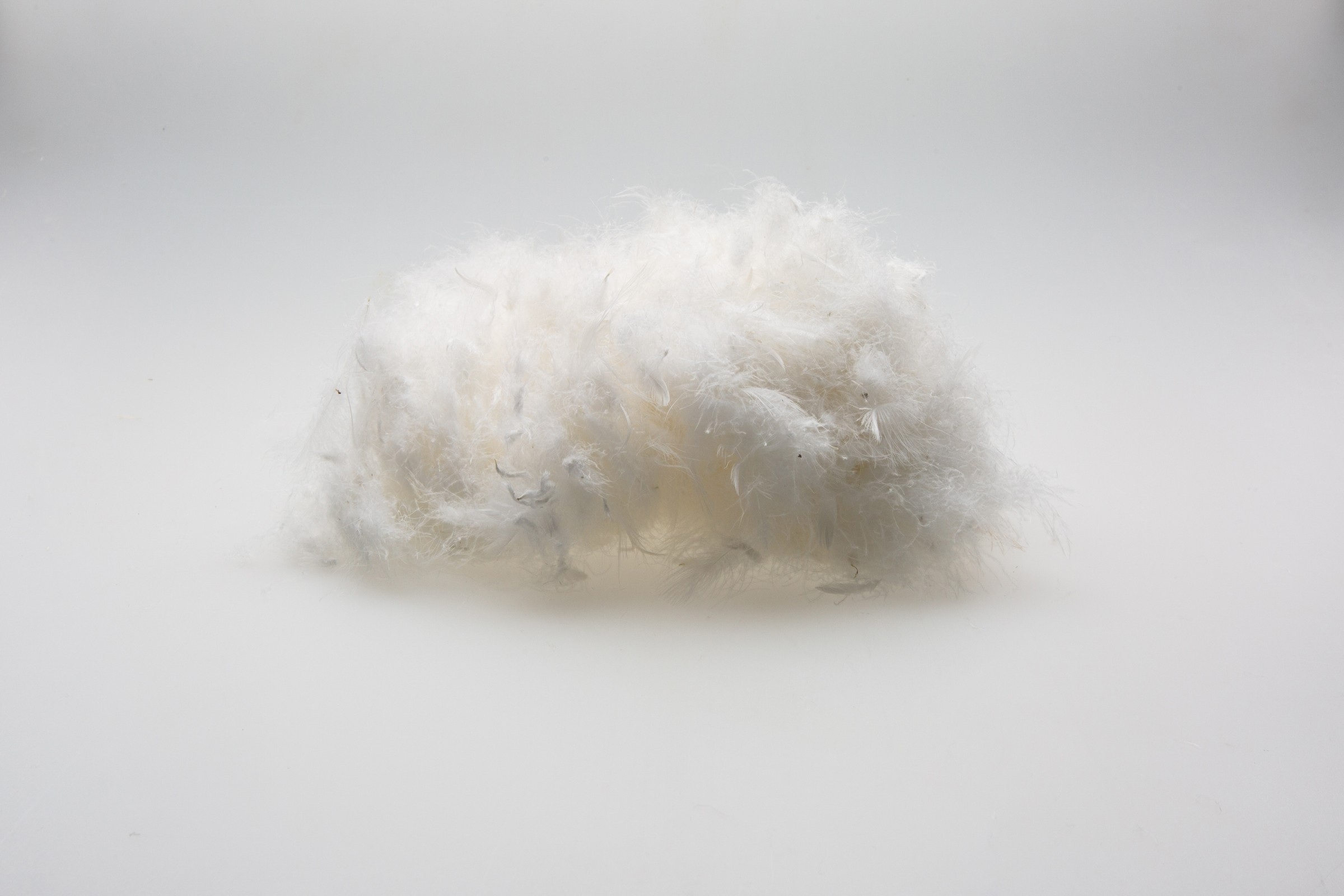
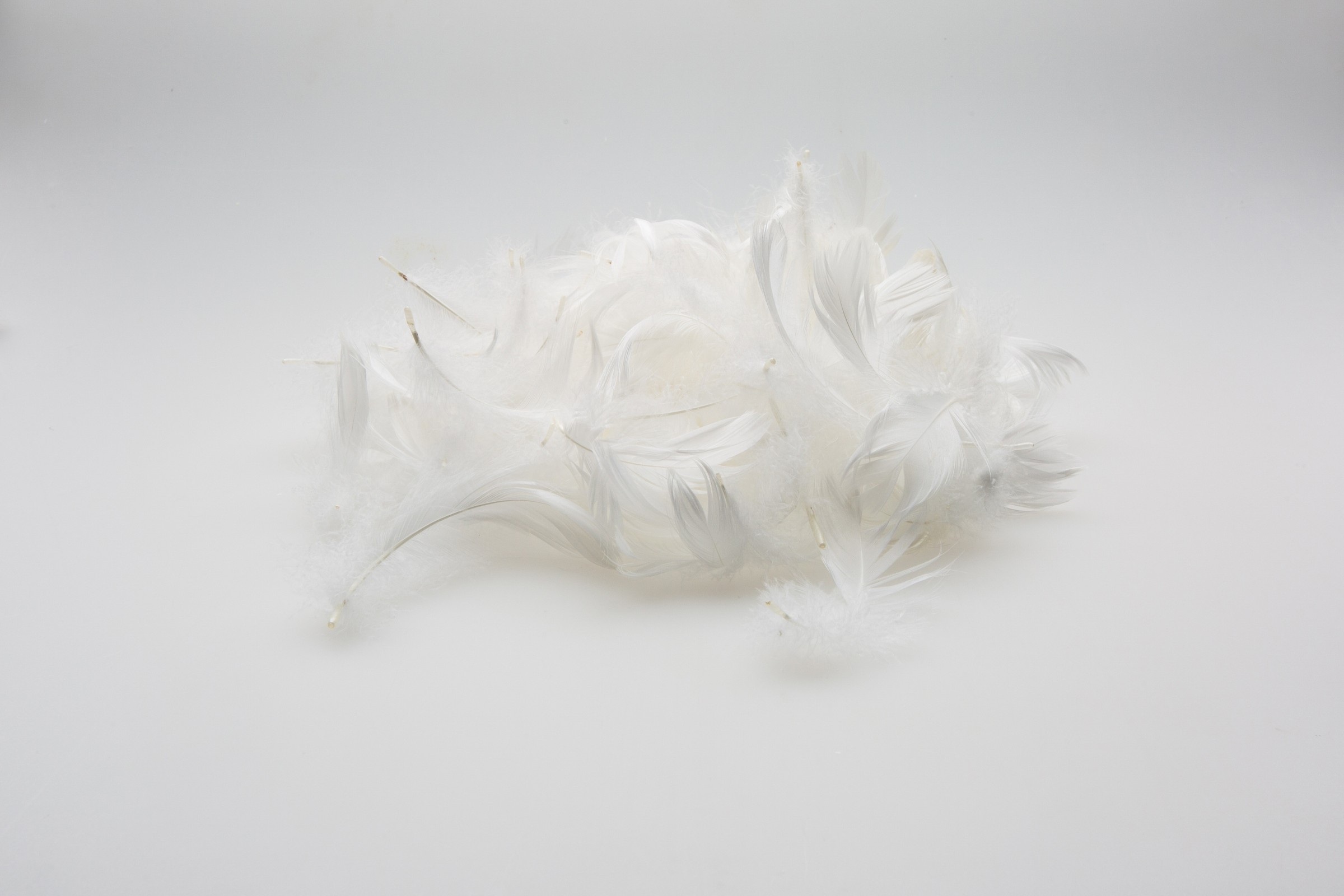
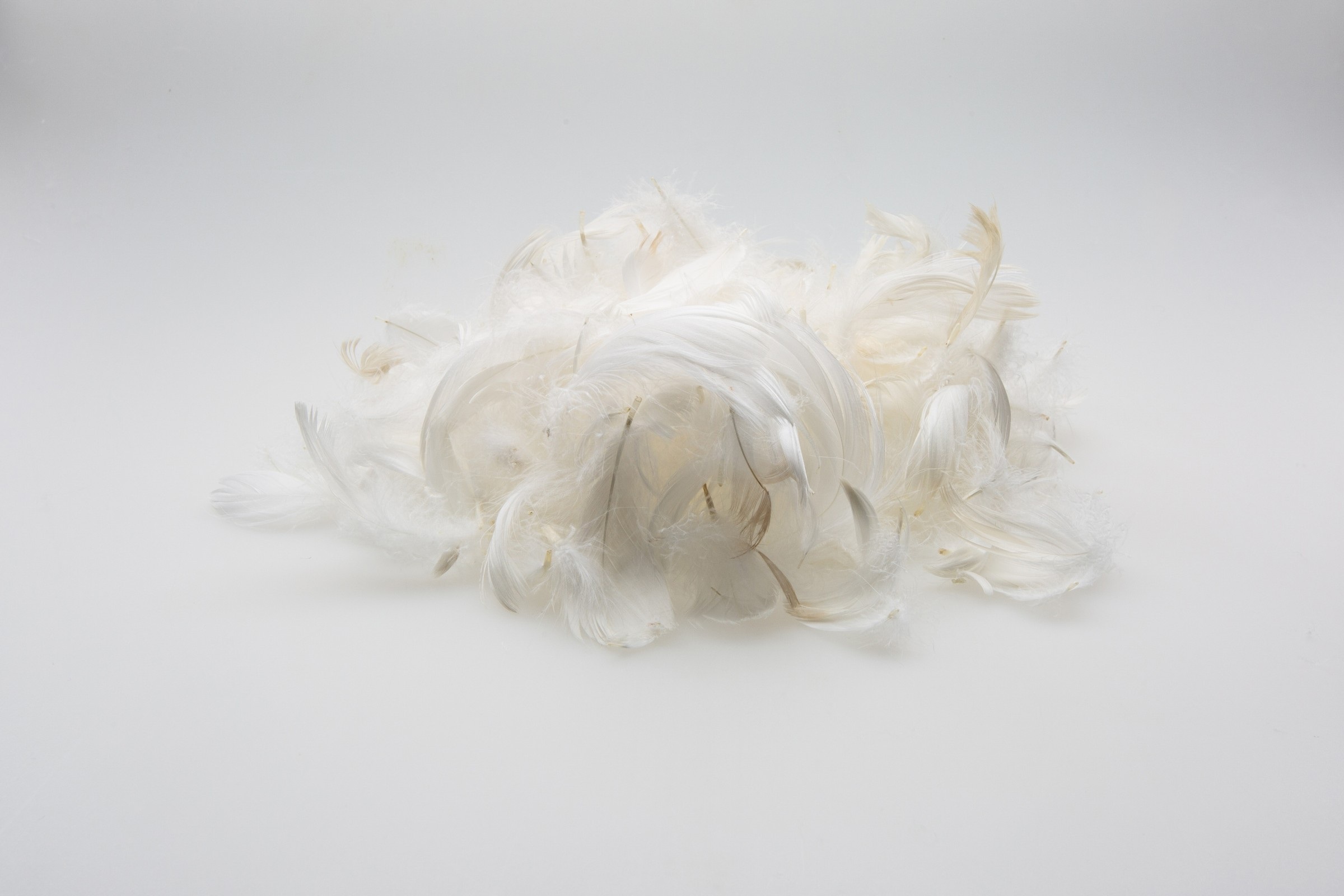
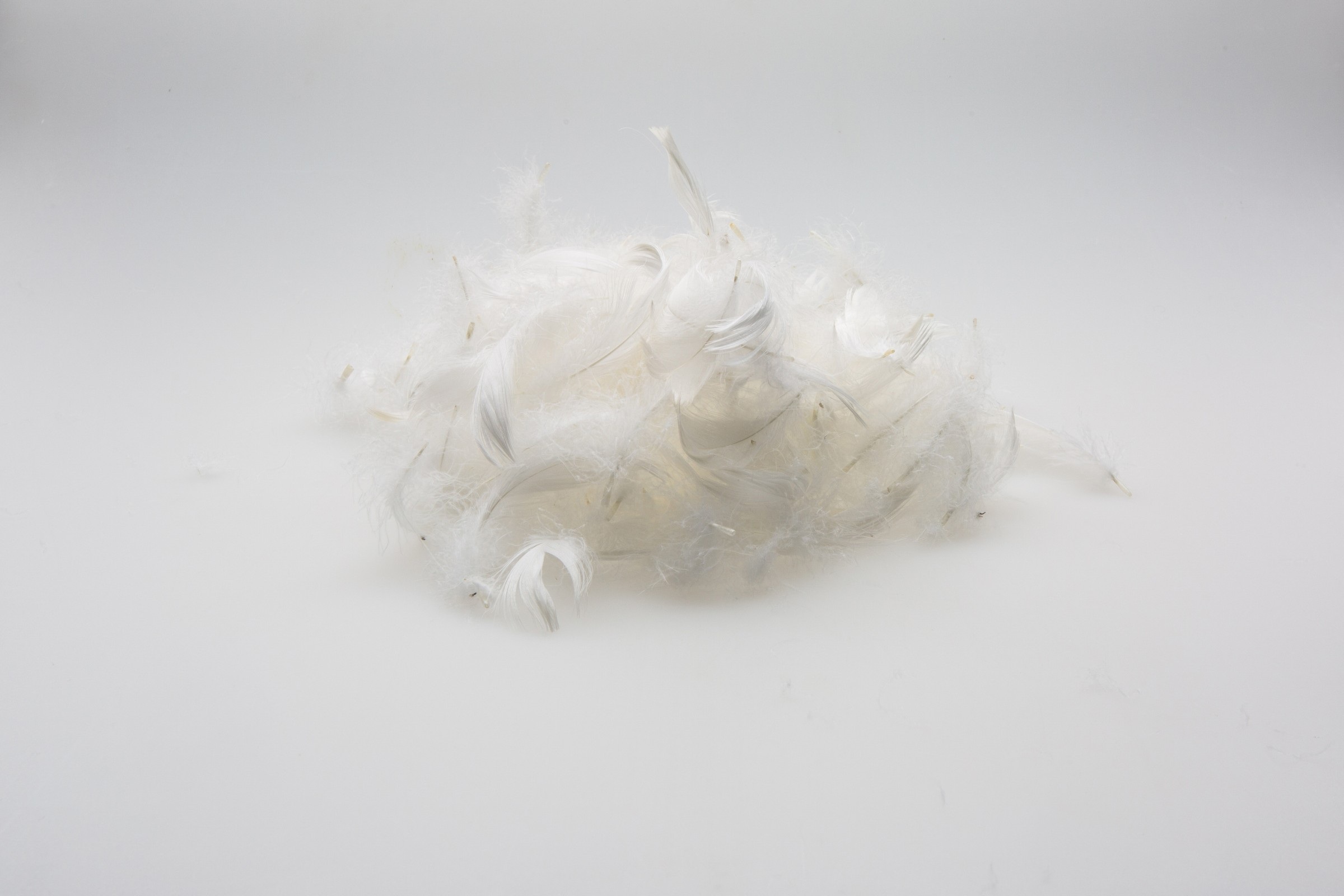
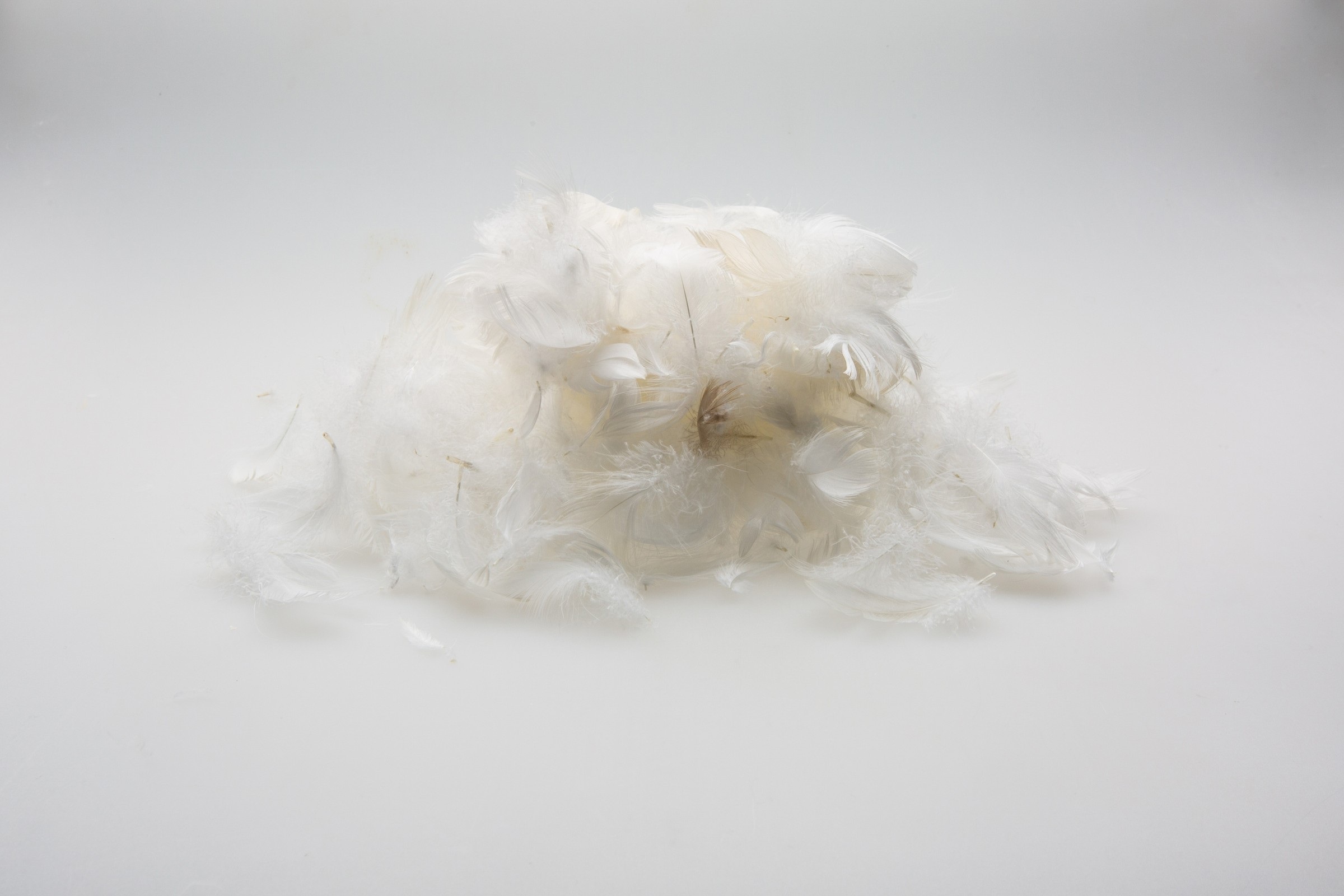
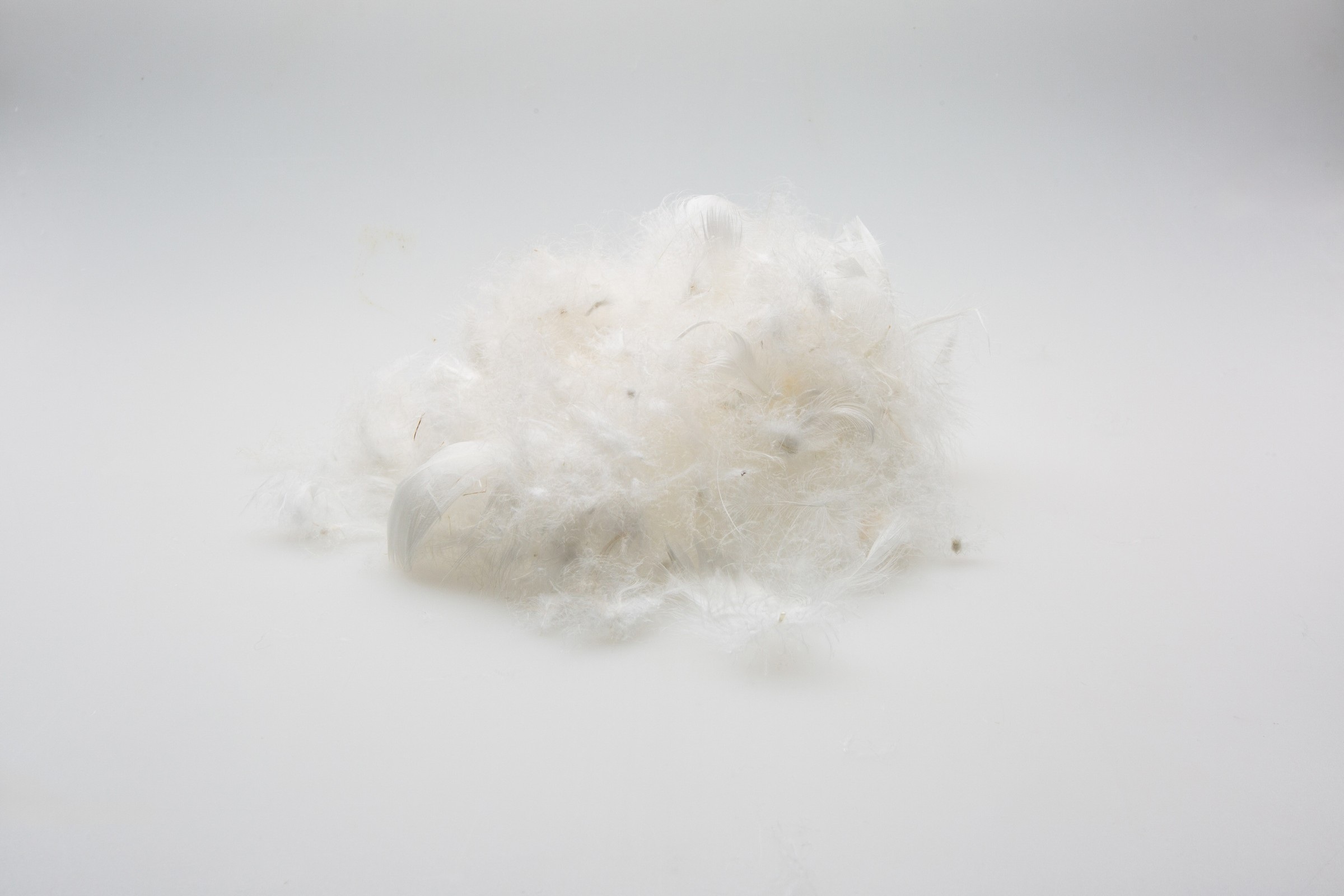
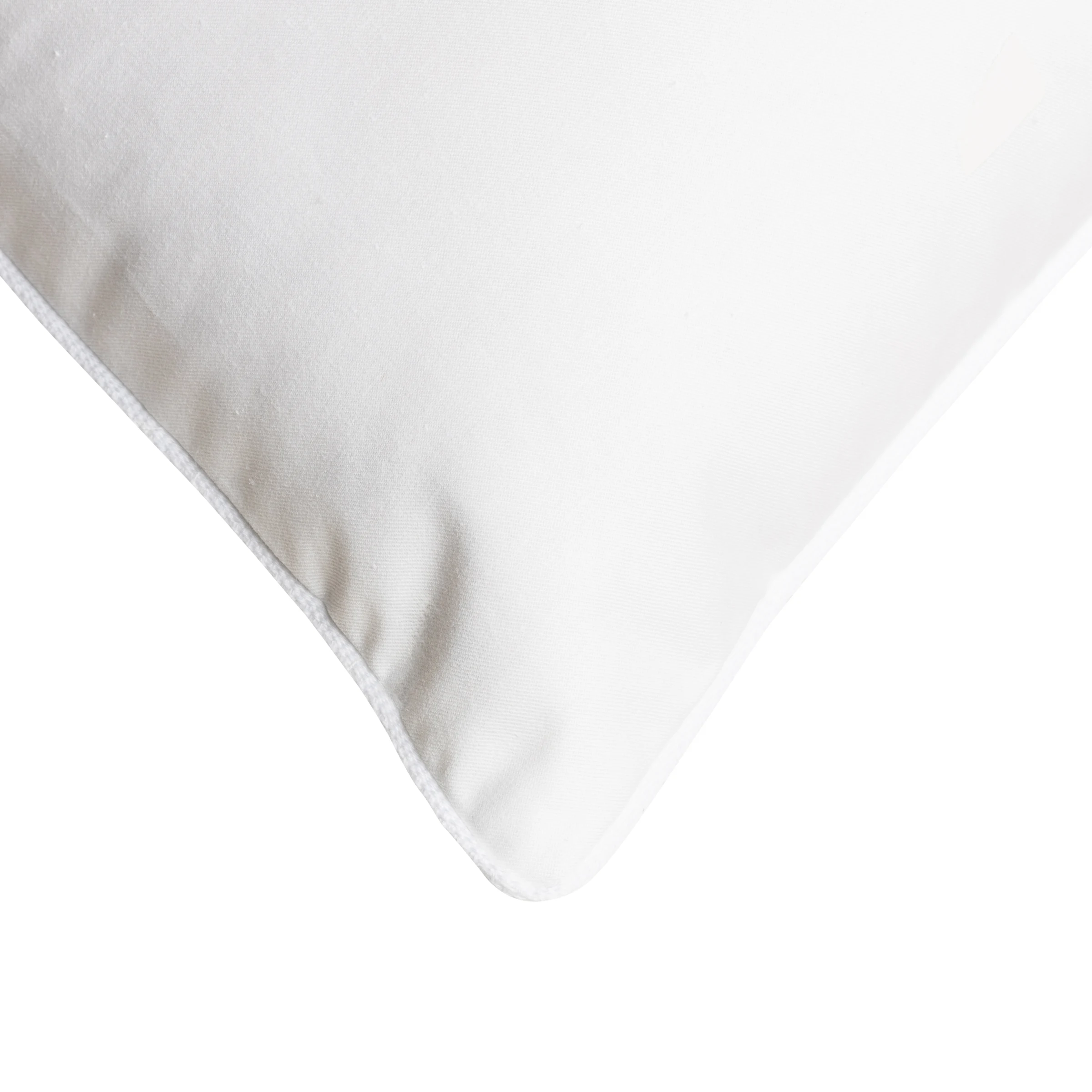
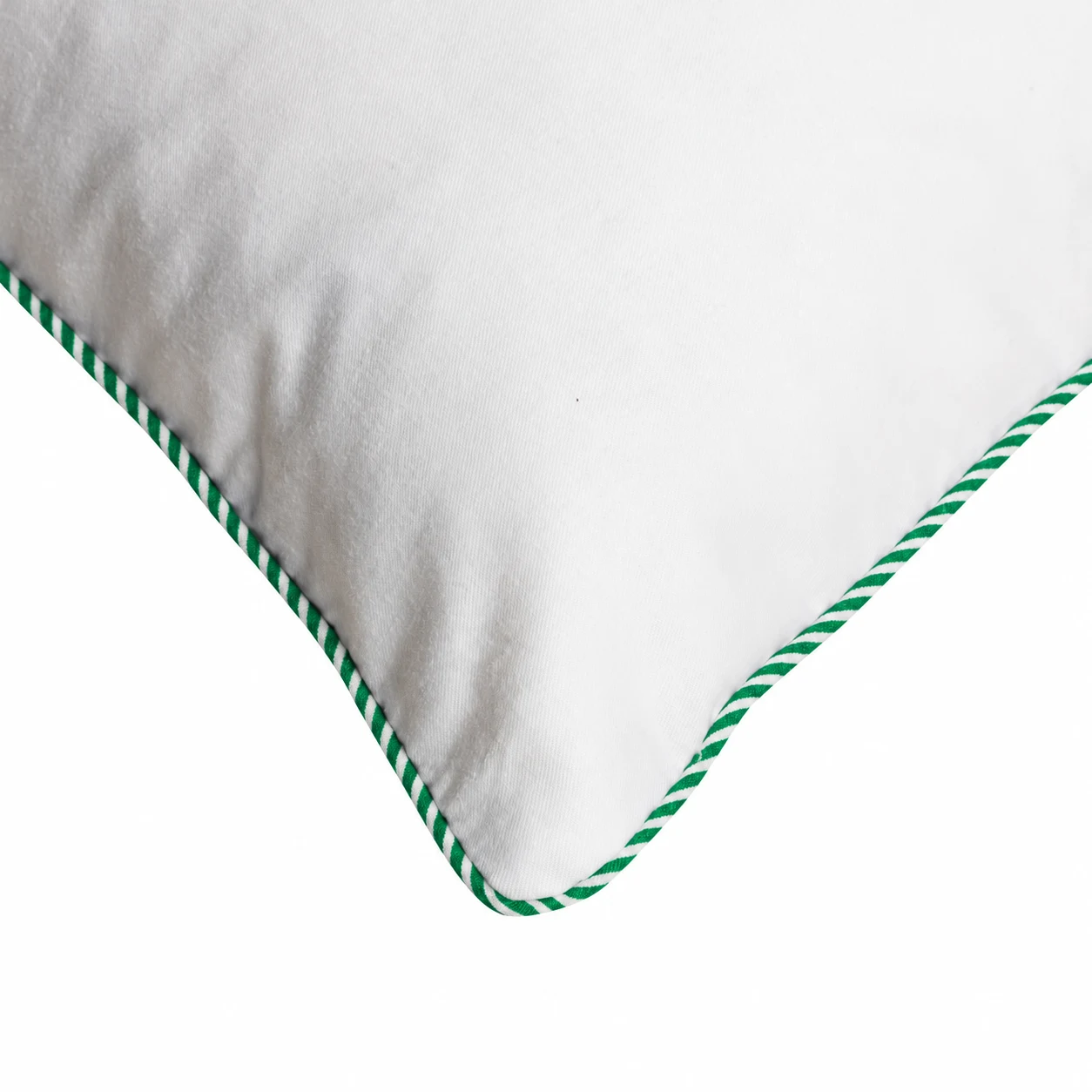
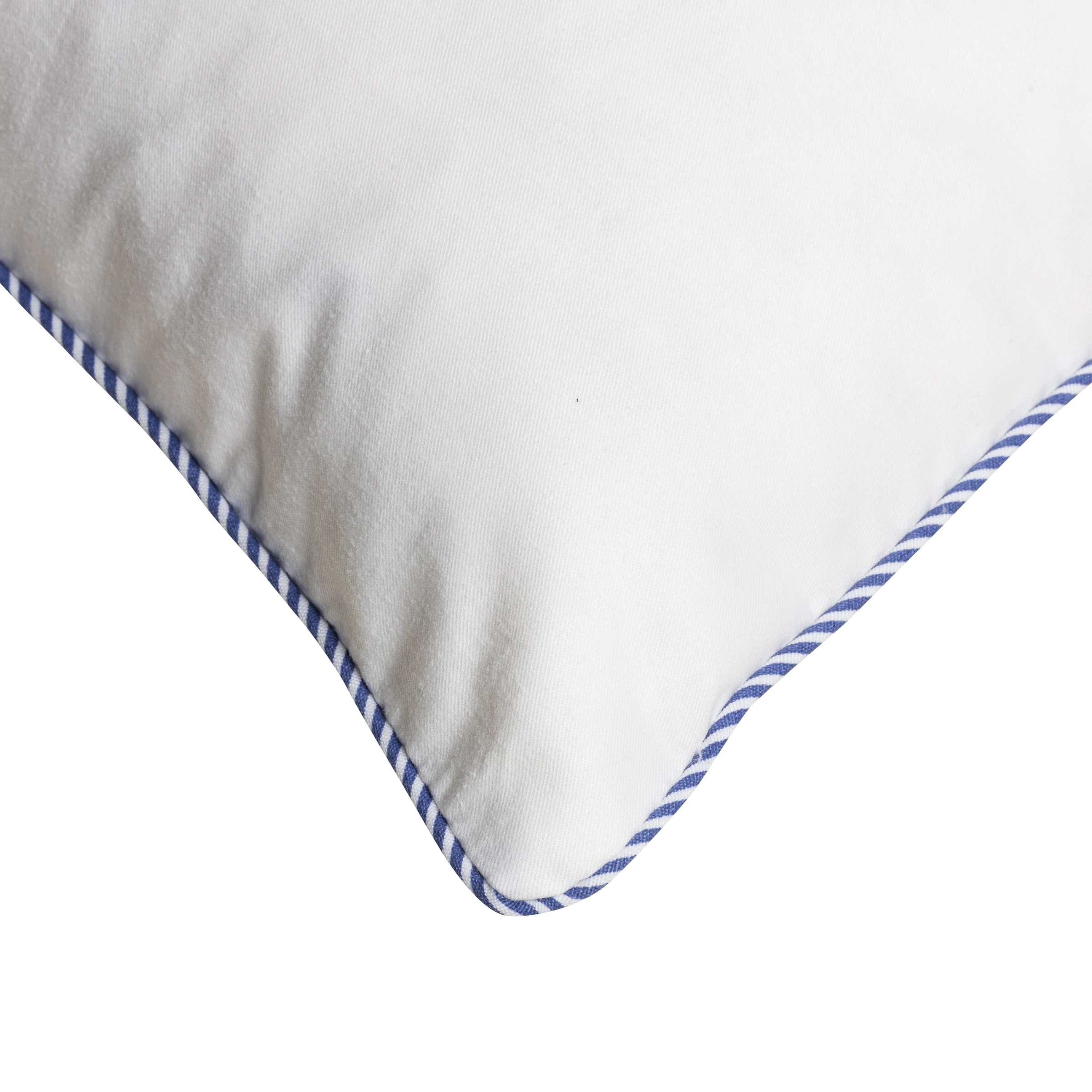
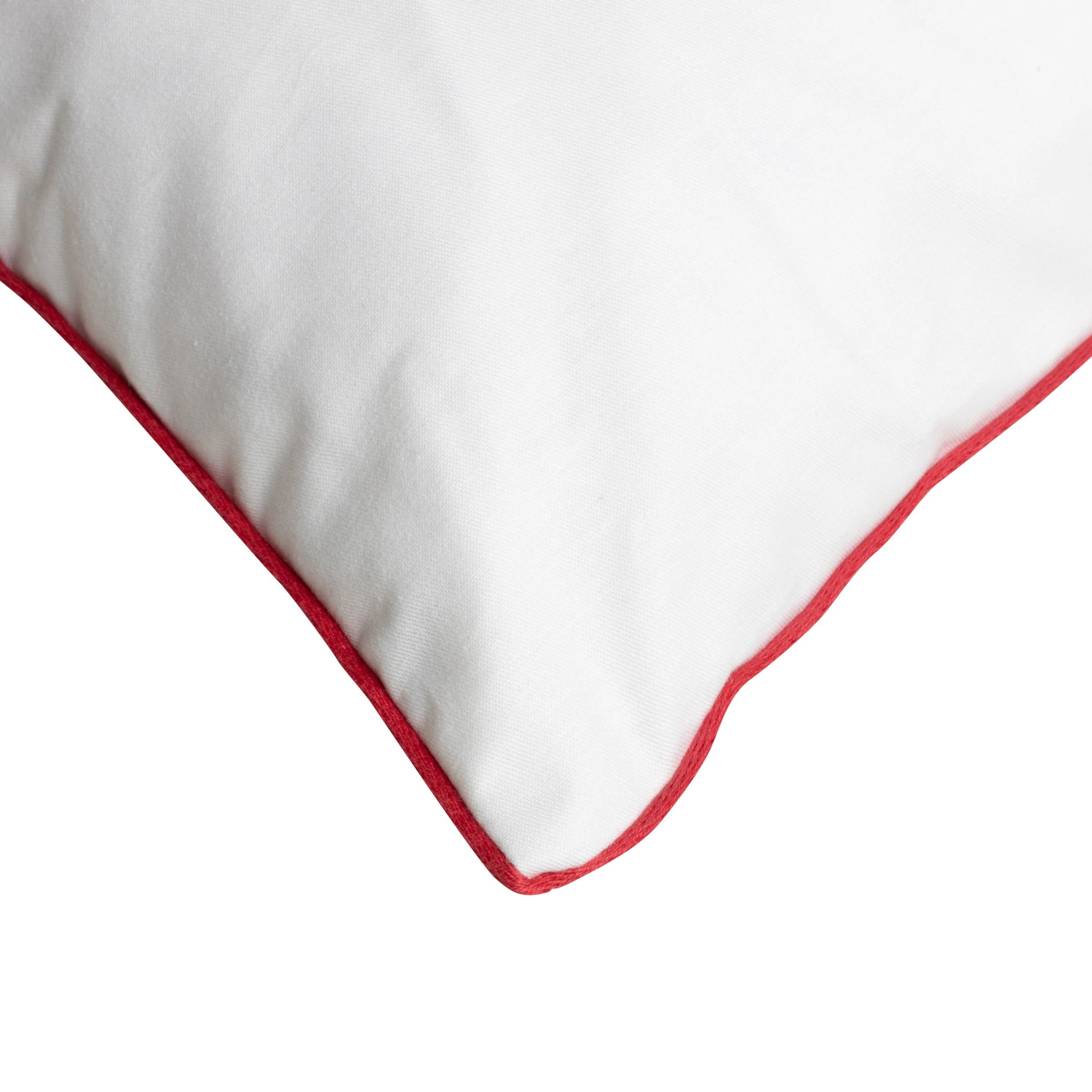
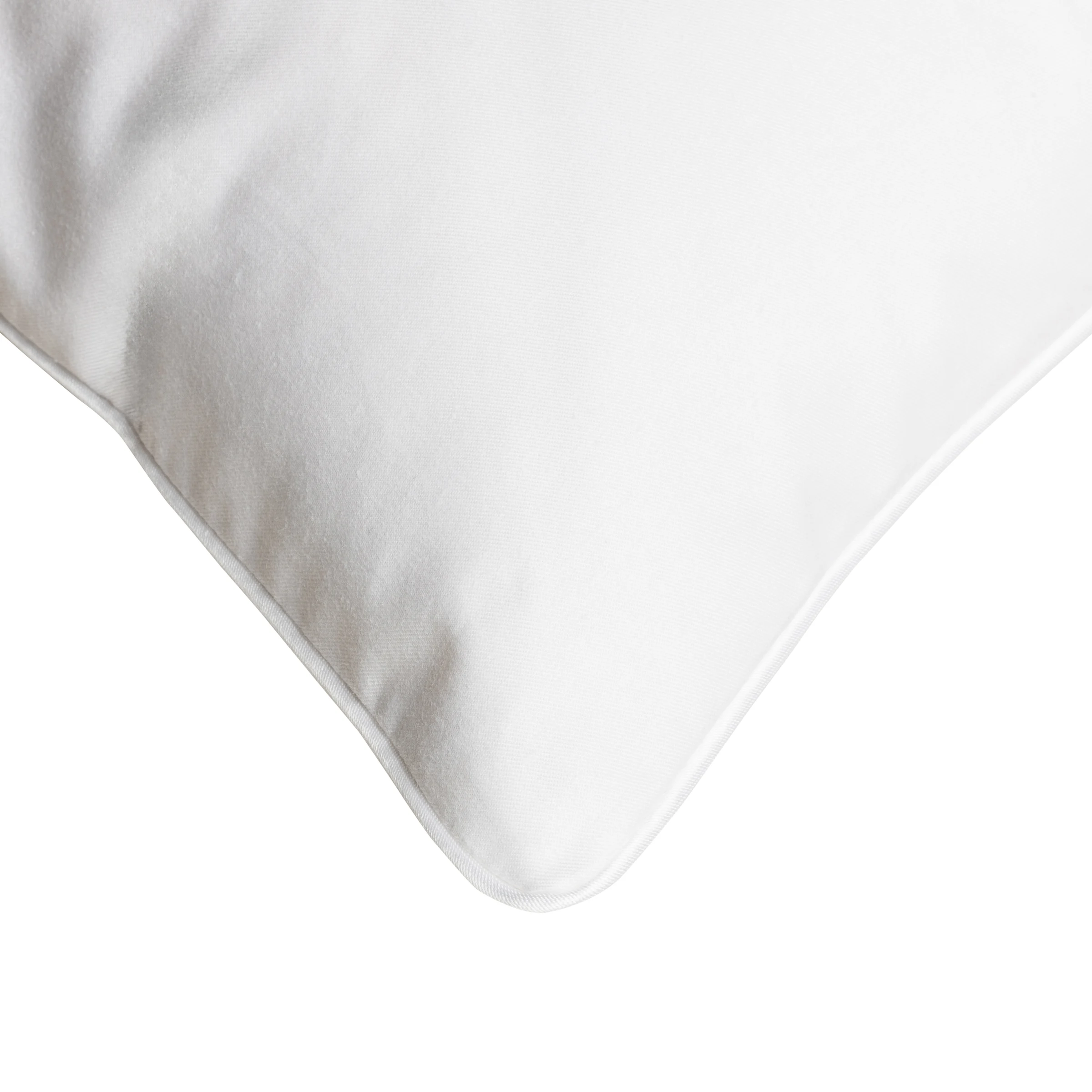
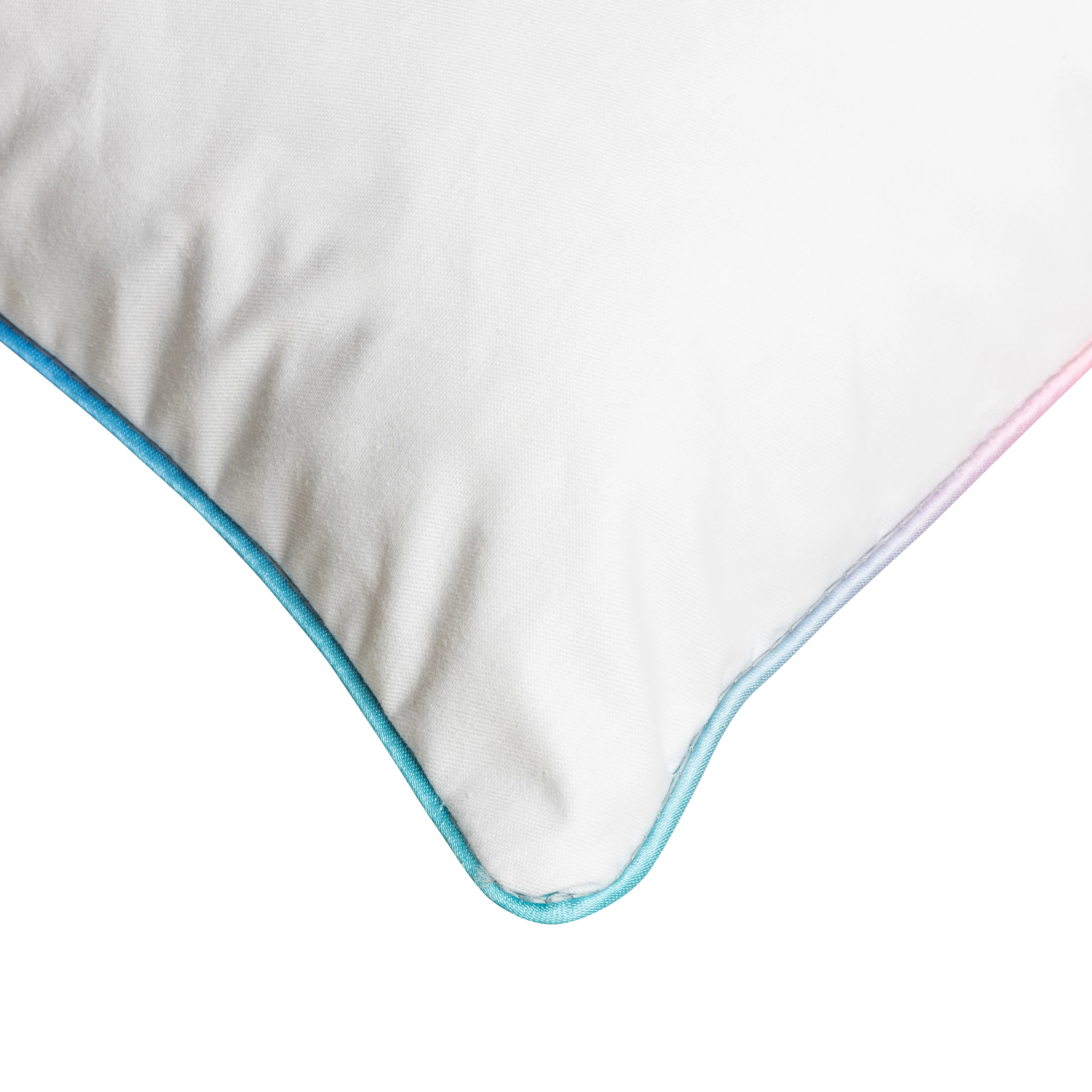
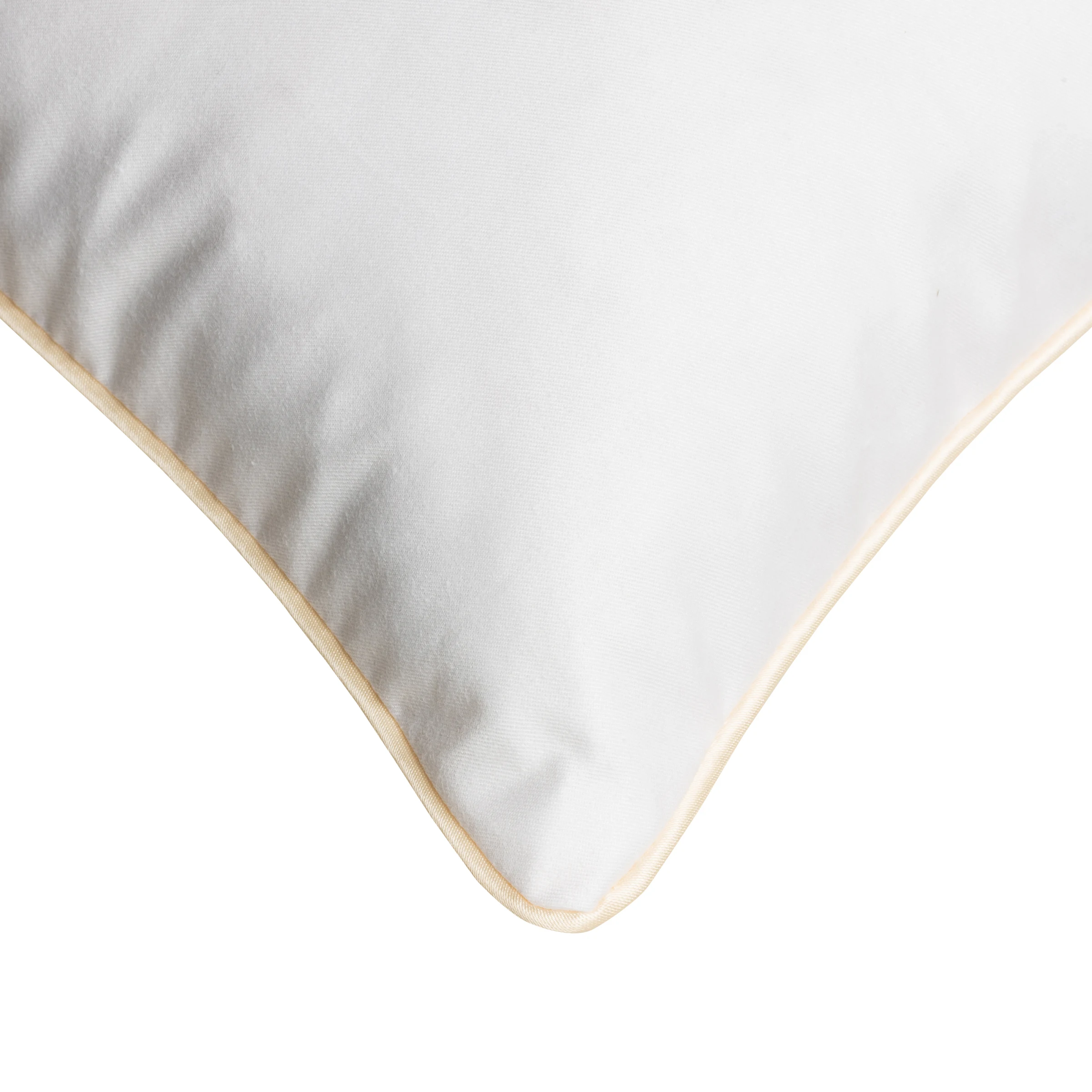
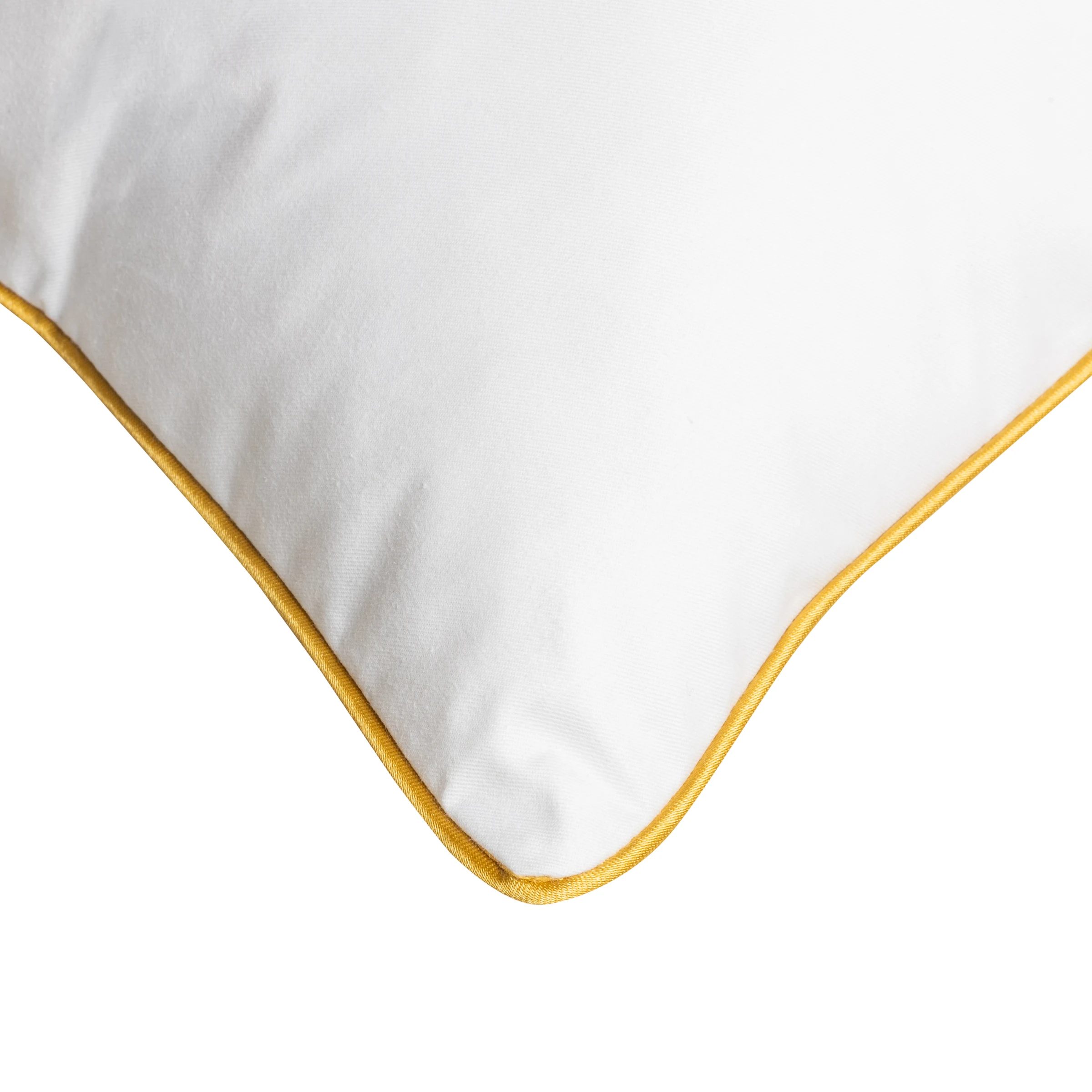
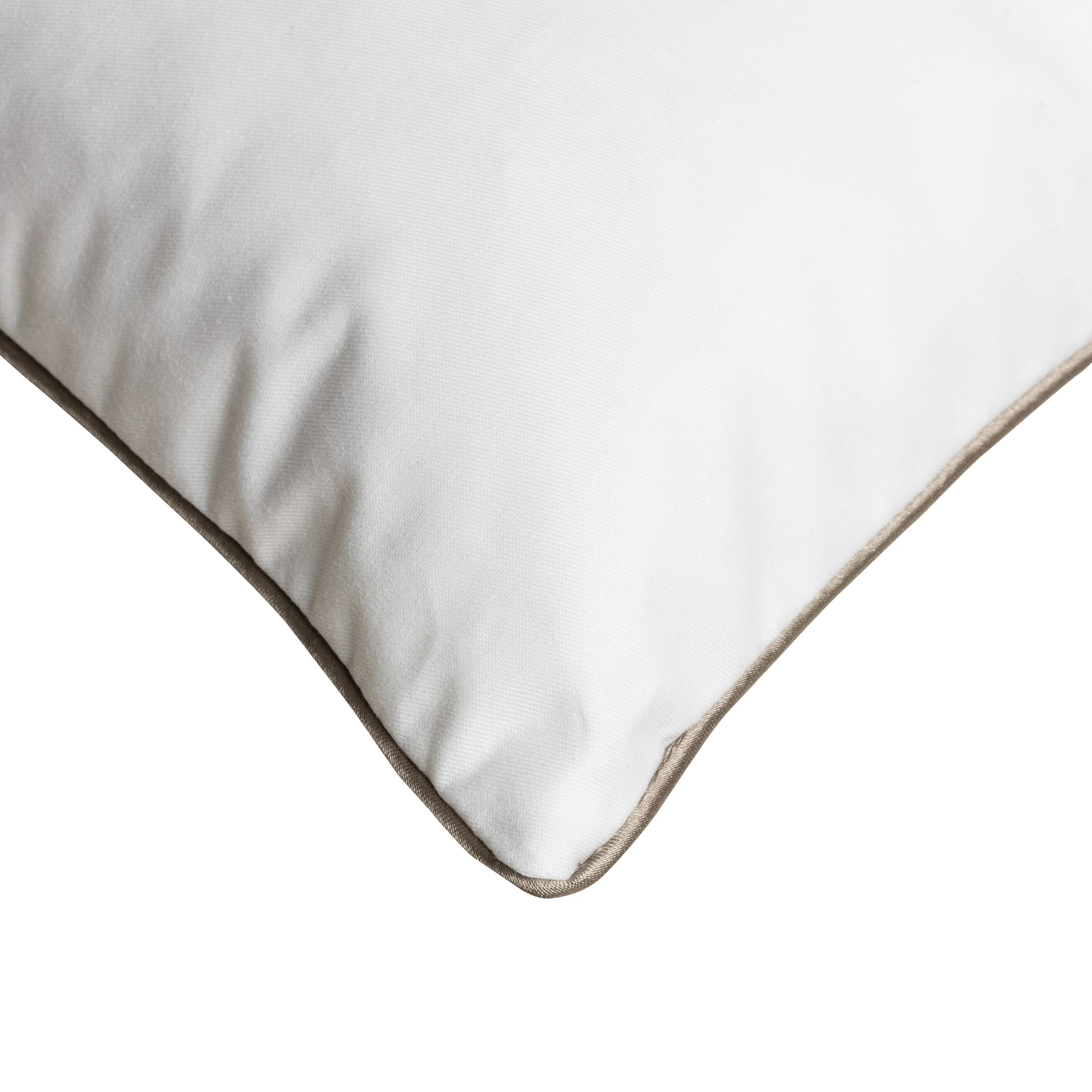
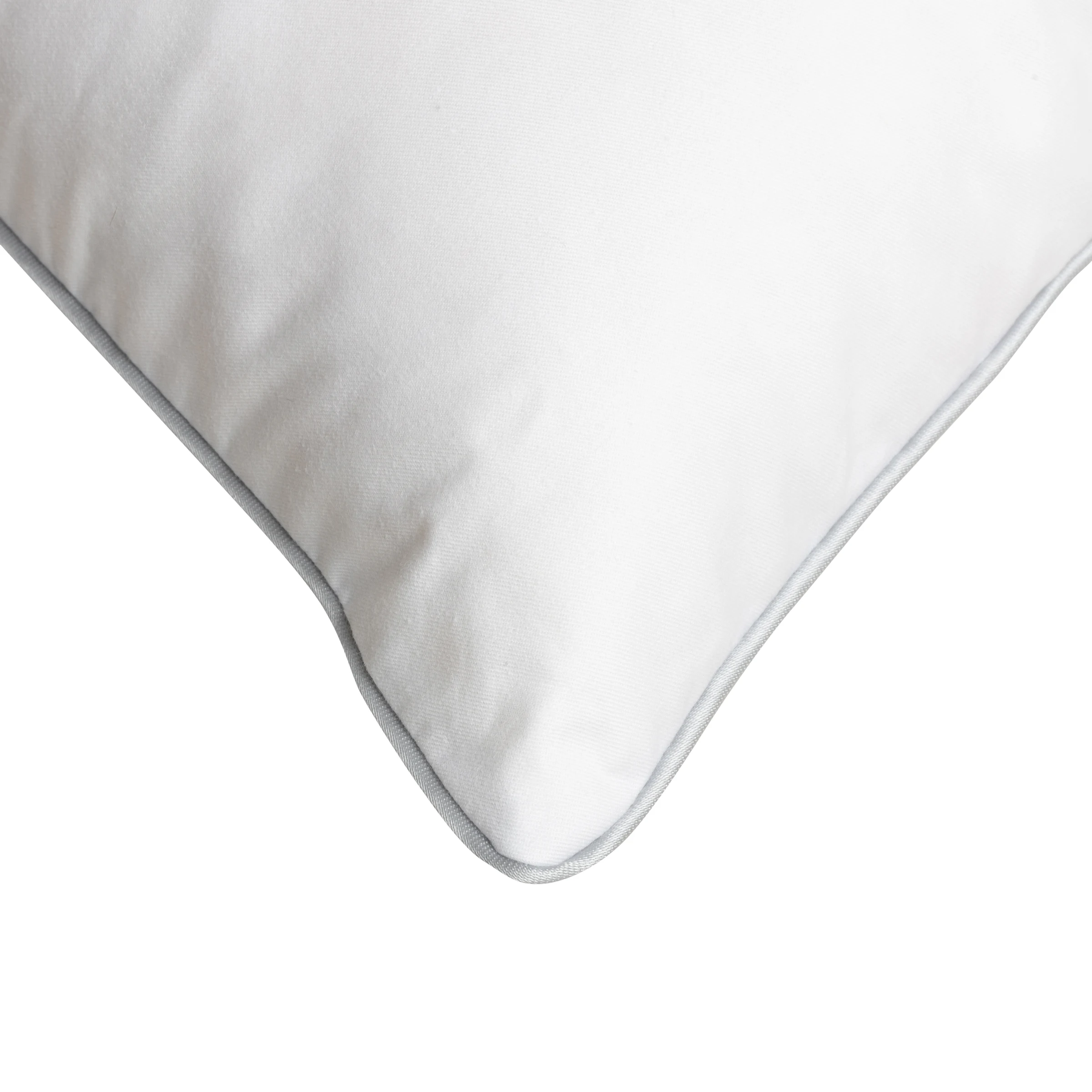
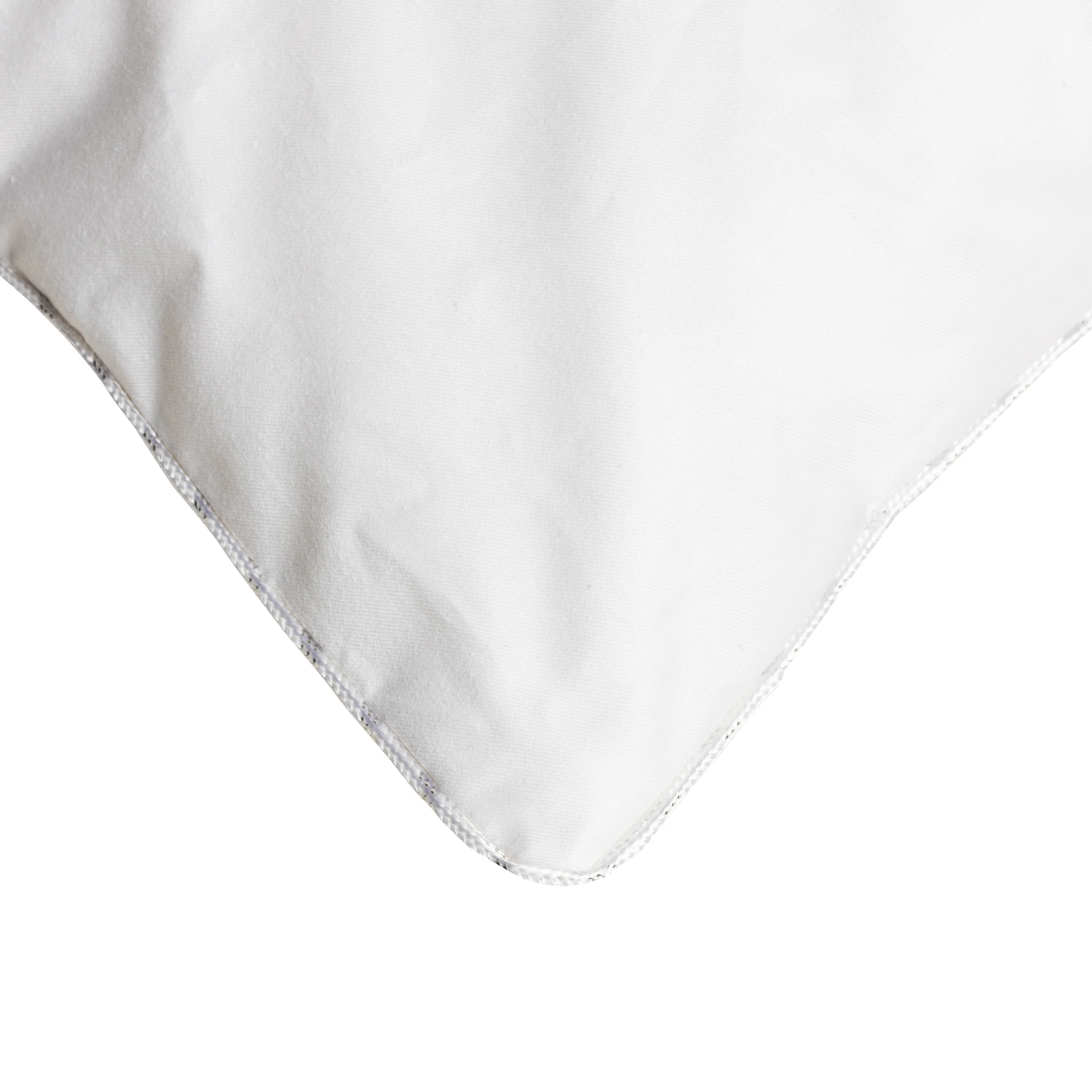
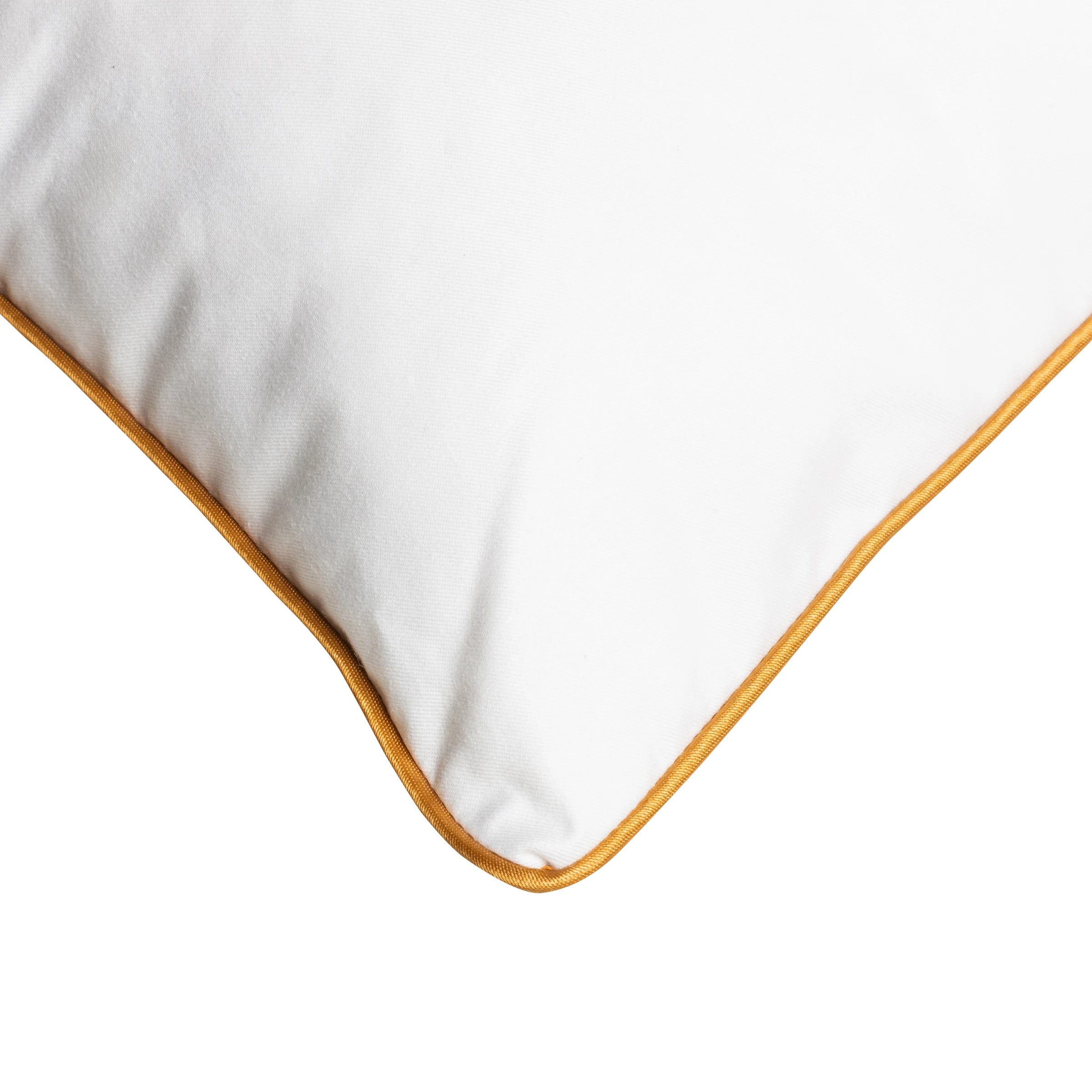
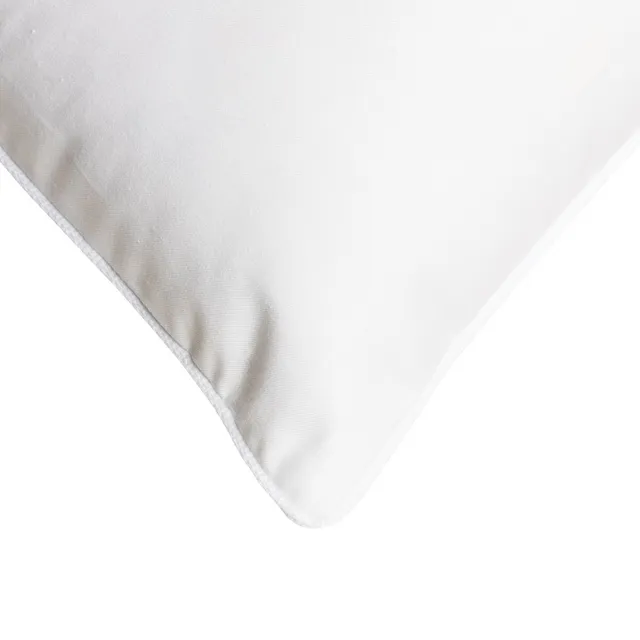
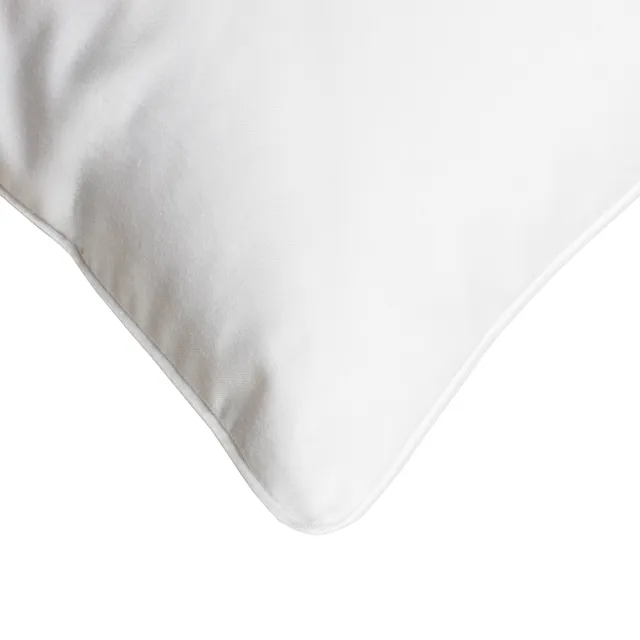
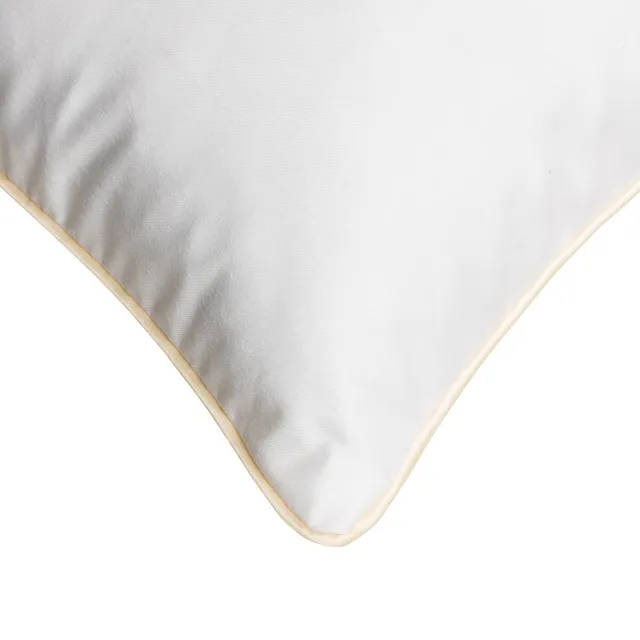
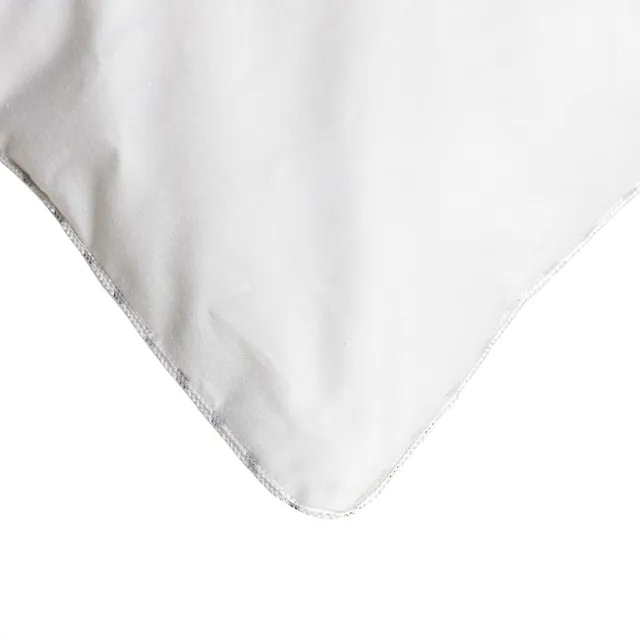
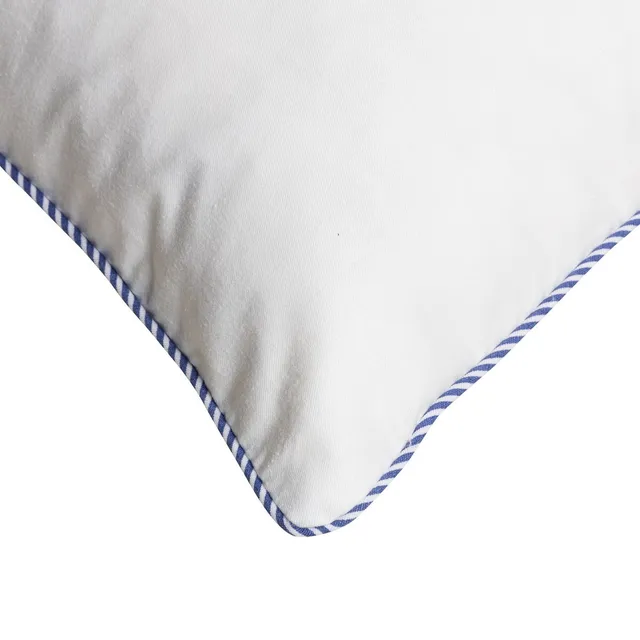
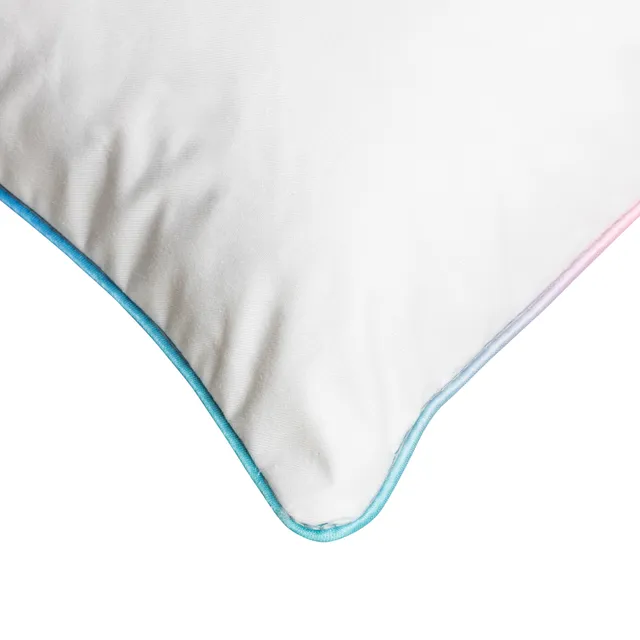
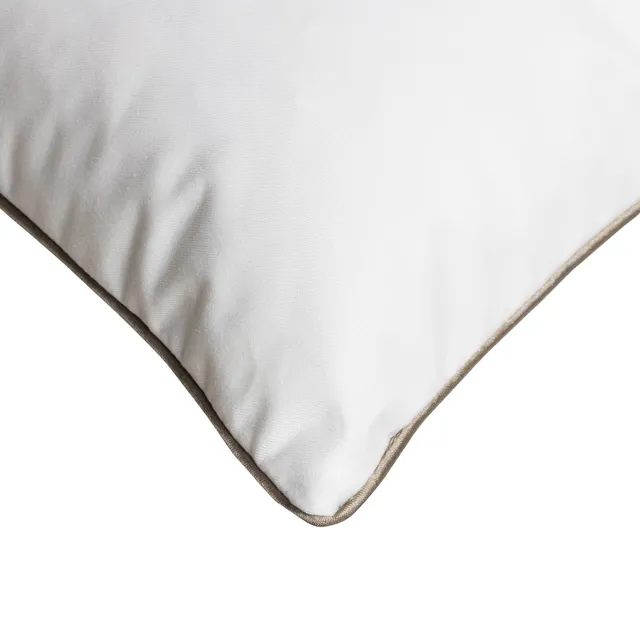
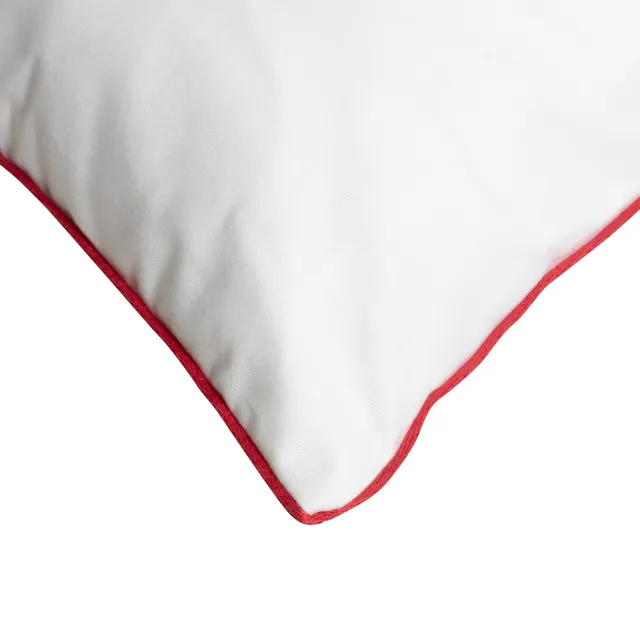
Look at the materials up close. Blend, class and fill quantity answer different questions; together, they lead to the right specification.
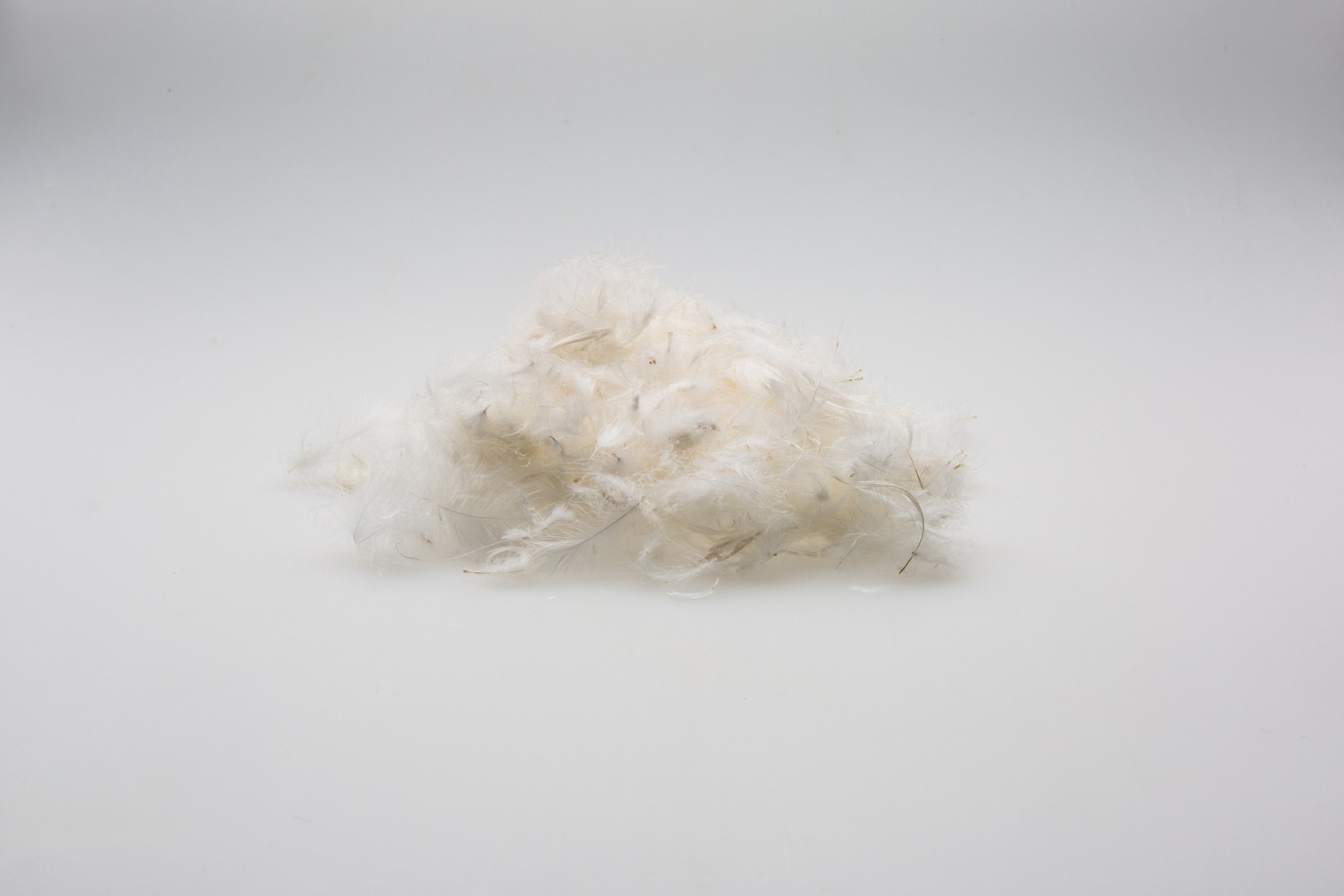
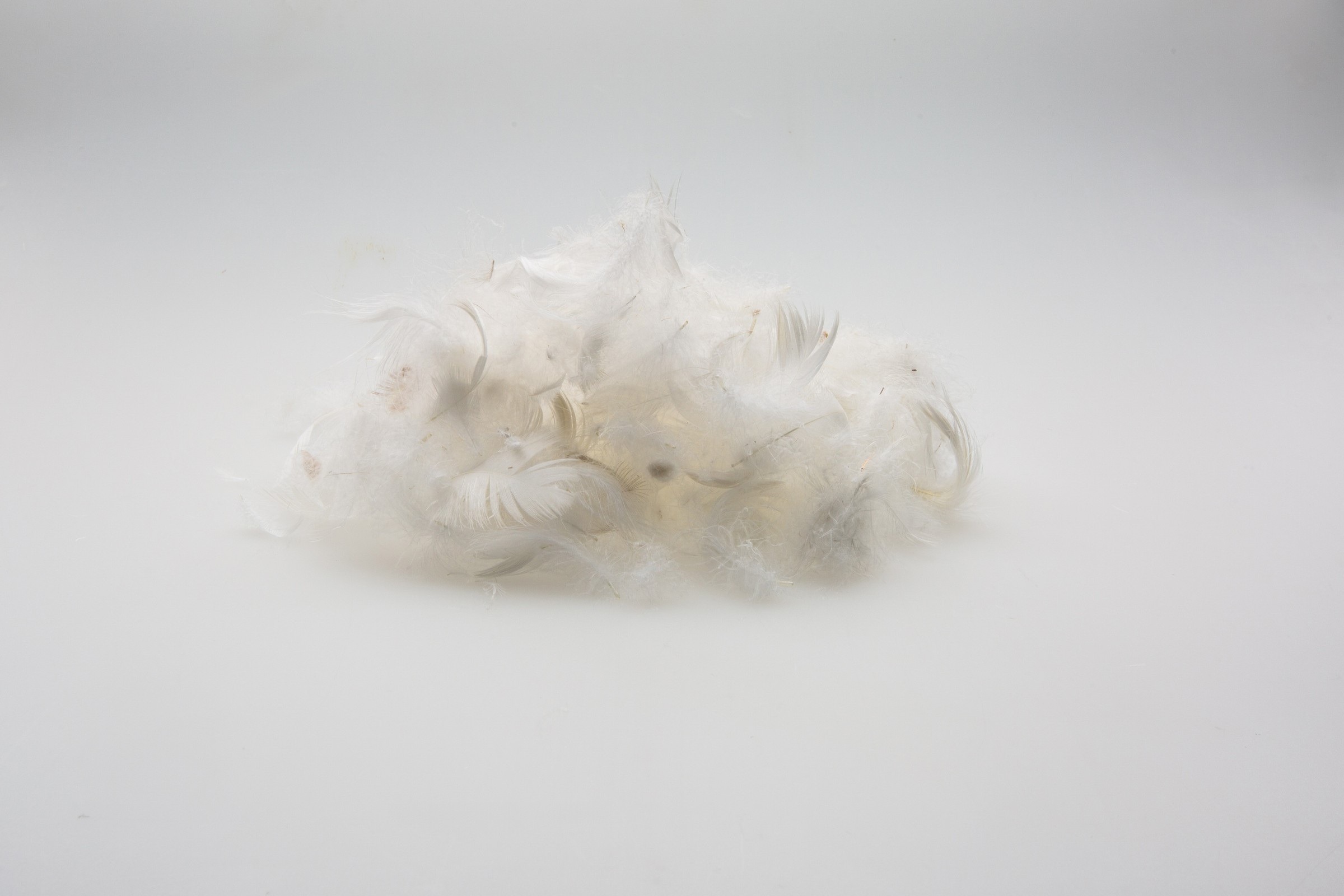
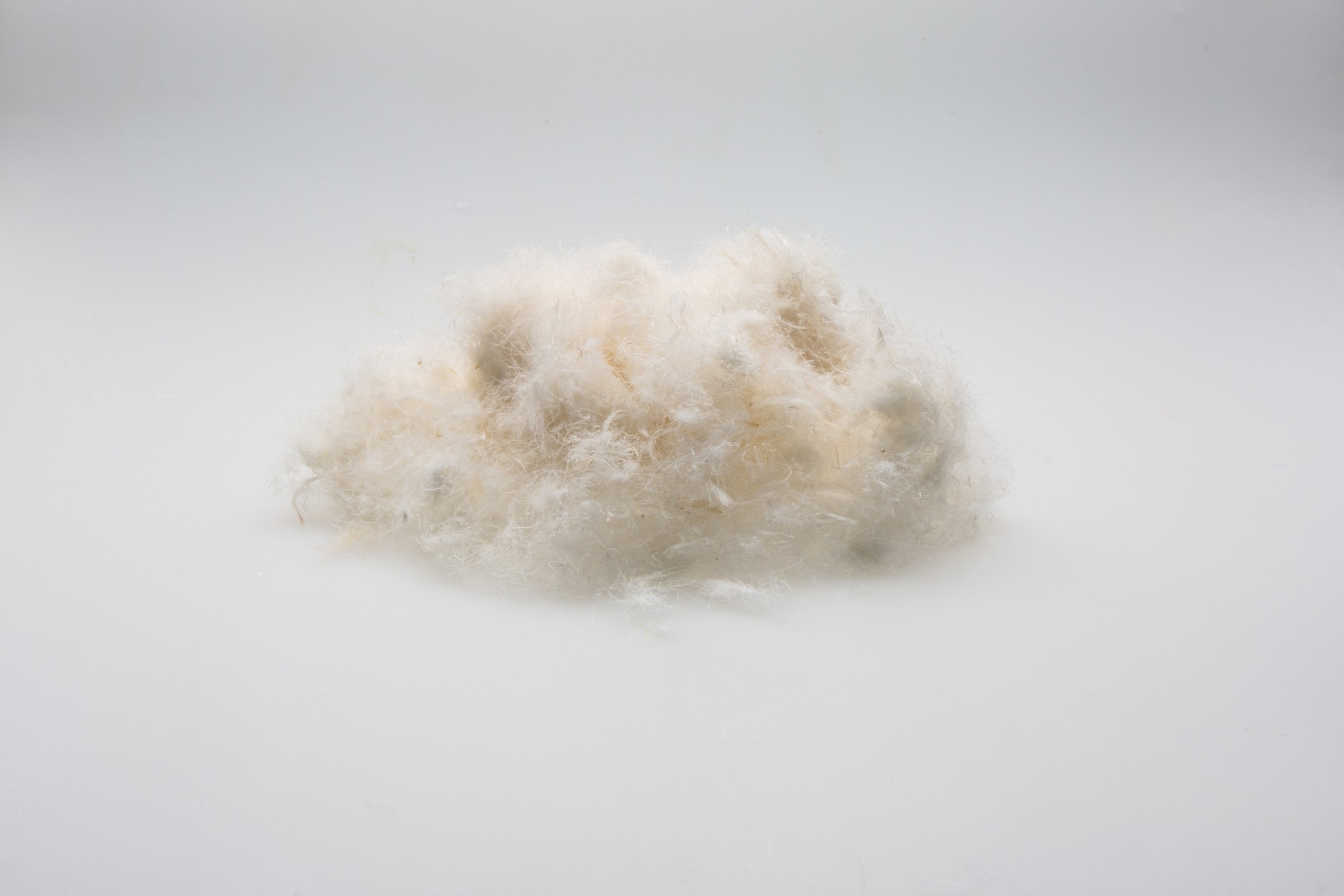
The photographs show material samples. The stated composition, class and fill quantity apply to each specific article.
View material
More material samples
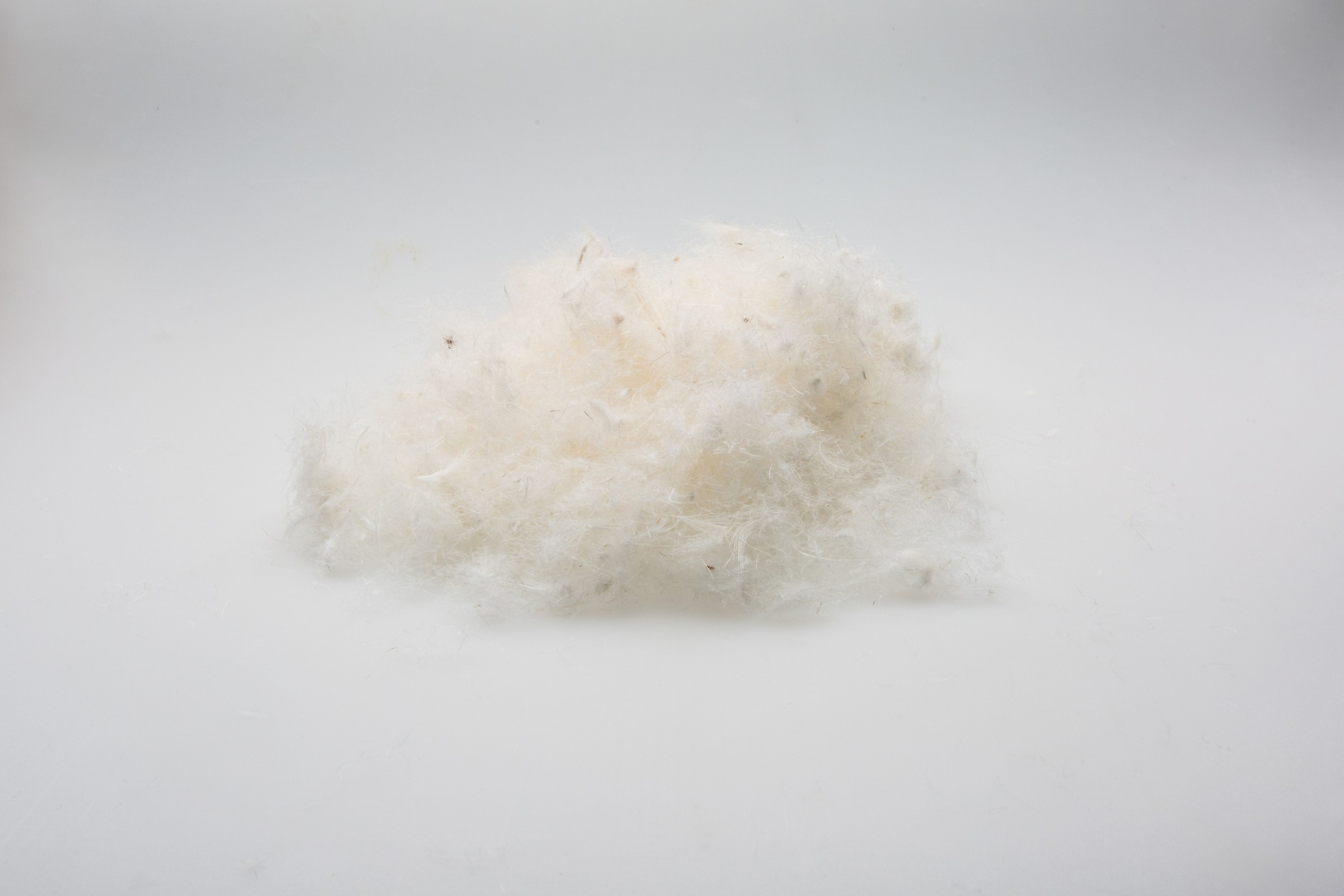
Halbdaune in detail.
85 % feathers · 15 % down
Halbdaune
Halbdaune combines 85 % feathers with 15 % down. The feathers give the filling structure, while the down adds fine, soft volume.
Your benefit
Your customers receive a pillow with noticeable support and the softness added by down. The specification can be adjusted from a yielding to a more plumply filled pillow by changing the fill quantity.
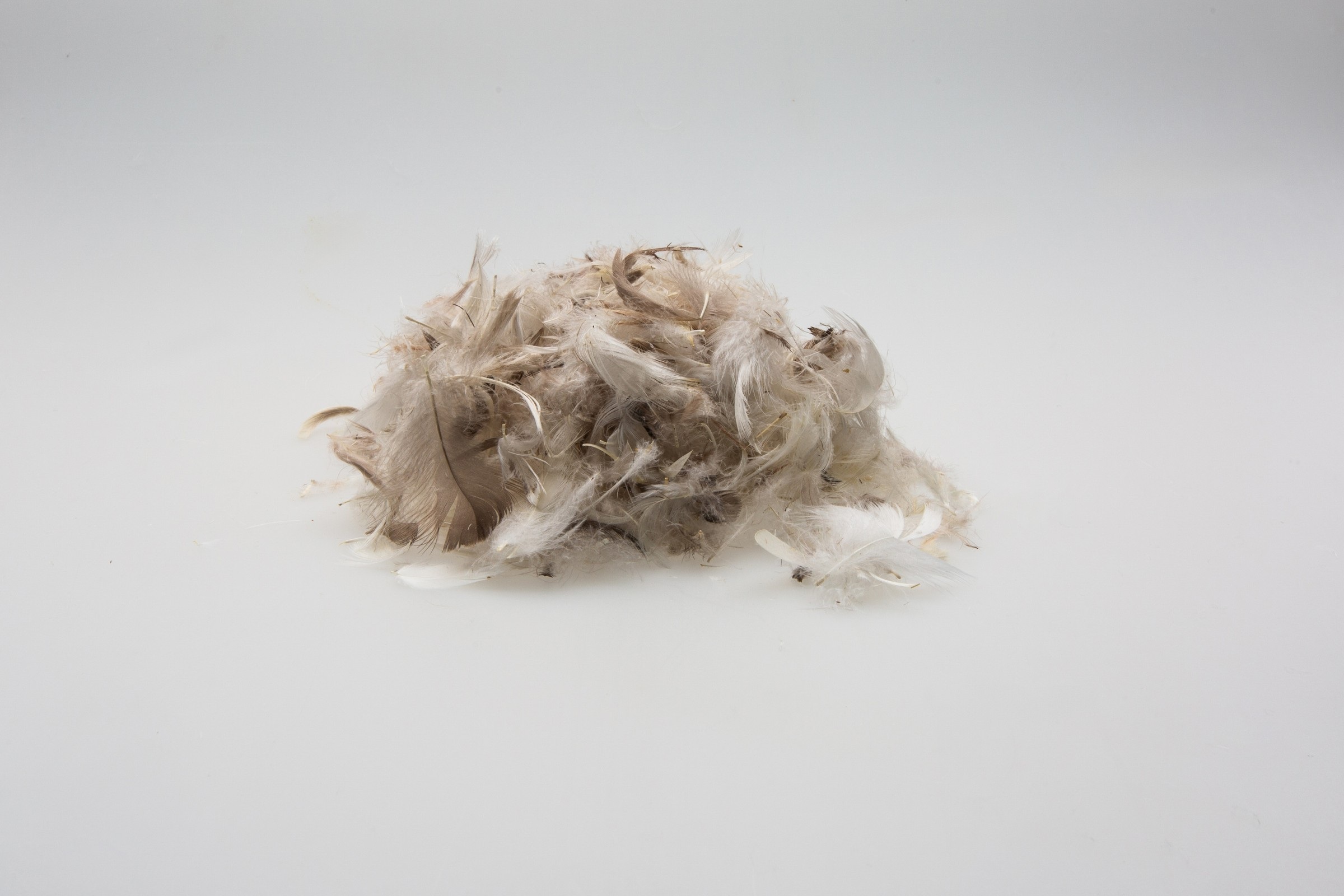
This blend contains 70 % feathers and 30 % down. It has a higher proportion of soft down than Halbdaune.
Your benefit
For customers who want the support of feather filling combined with more soft down volume. Add another option between feather-dominant and down-rich pillows to your range.
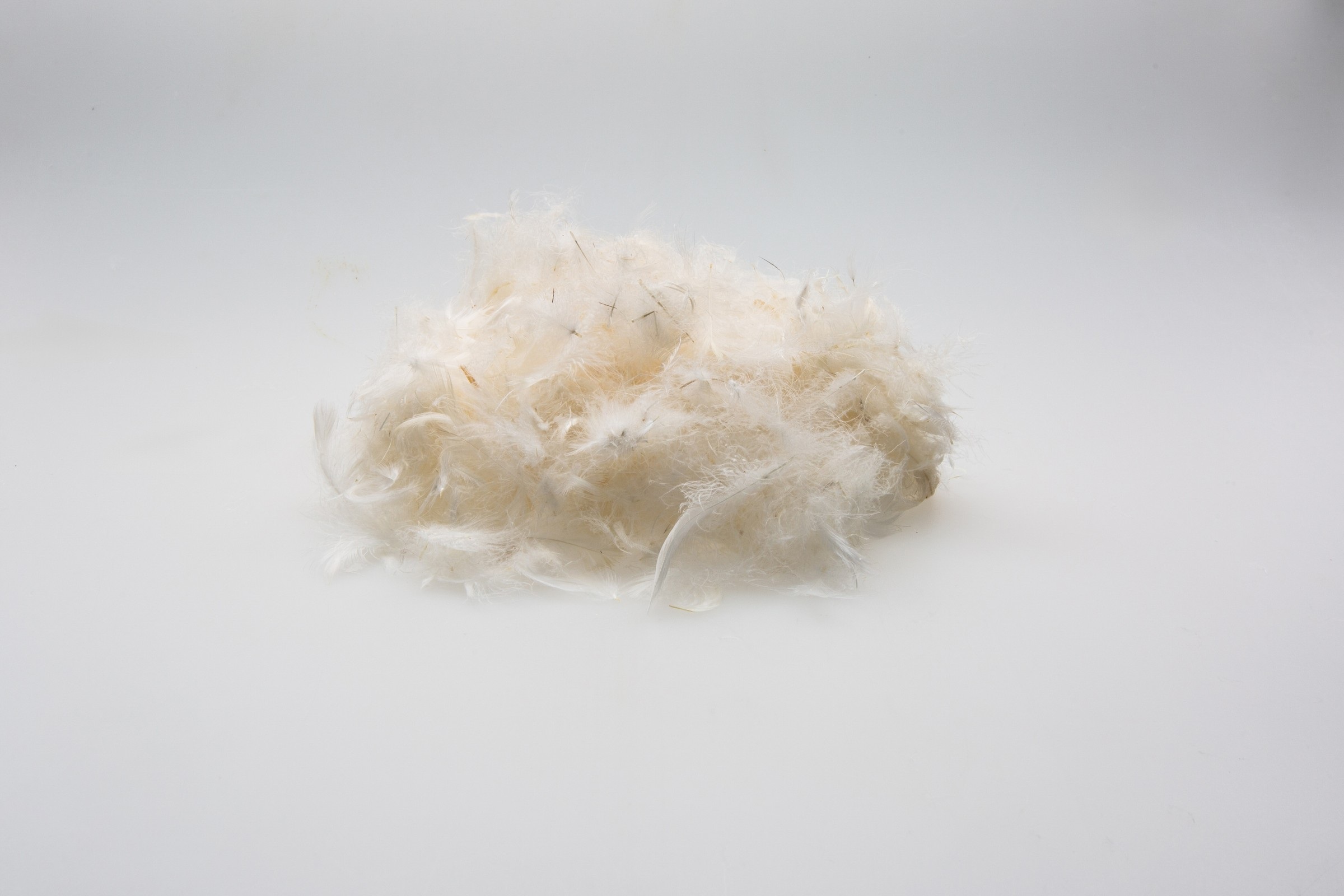
Landdaune consists of 90 % down and 10 % feathers. The high down content defines the soft, light filling volume.
Your benefit
For customers who prefer a particularly soft, yielding pillow. The down-rich filling creates volume at low weight; we adjust pillow height and support through fill quantity and construction.
Our Class I down is new material. For duvets, we offer fillings including 100 % goose down.
Your benefit
Down traps a great deal of air in its fine structure. This makes warm duvets that feel light possible. Fill quantity and quilting help coordinate the desired warmth and weight distribution.
Our Class VII feather filling uses processed filling material. It is a separate material variant for our pillows.
Your benefit
Feathers give pillows substance and support. This variant lets you offer customers a feather pillow made from processed material. The right fill quantity depends on the desired volume and pillow shape.
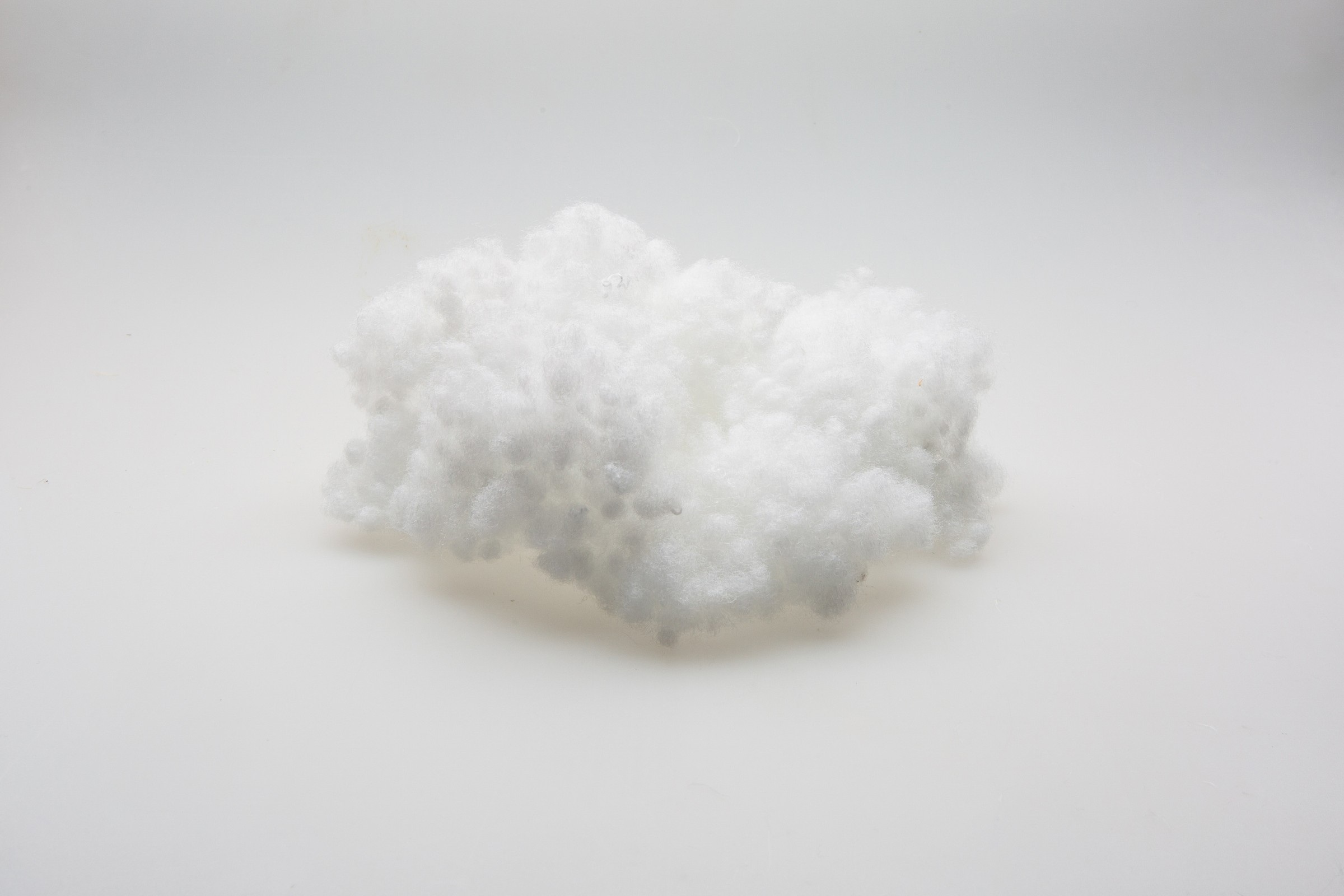
Fine synthetic hollow fibres are formed into loose balls. This filling contains no feathers or down.
Your benefit
For customers who want soft, resilient pillows without feathers or down. Hollow-fibre balls offer yielding comfort for sofa cushions, decorative cushions and sleeping pillows. Different fill quantities produce softer or plumper specifications.
White goose down as a material sample for developing your filling. Composition and fill quantity are set for the agreed specification.
Your benefit
Down can create a soft, light filling volume. Combined with the appropriate feather content, it lets you coordinate support and softness to suit your customers.
Another white goose down material sample. Its fine branching creates a loose, airy volume.
Your benefit
For customers who prefer a light, soft feel. In duvets, the trapped air contributes to thermal insulation; the particular specification determines how warm the duvet is.
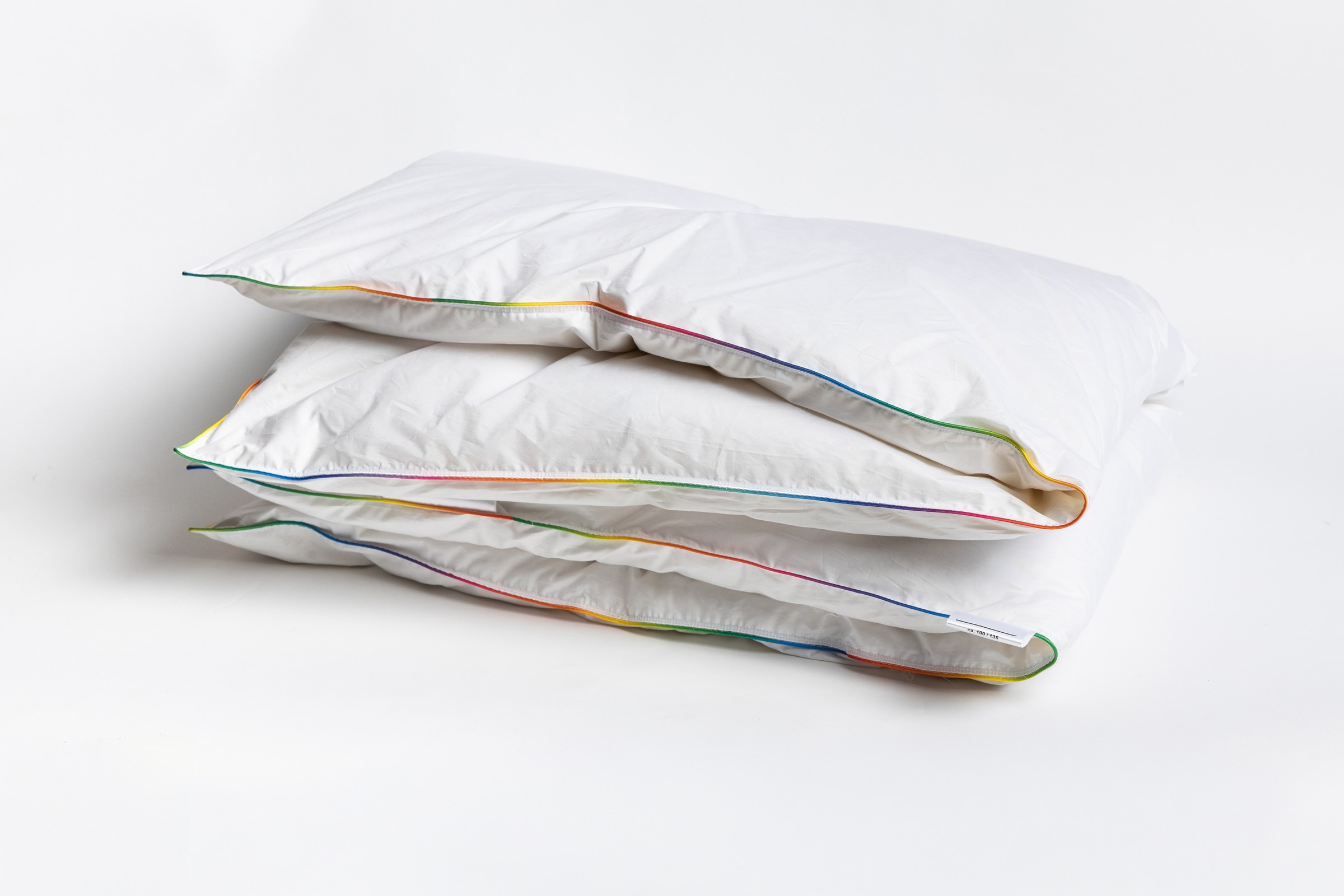
A pillow should fill out a cover, yield softly or provide support when leaning back. That is why we ask about intended use before discussing fill quantities. Shell and construction also influence how a pillow feels.
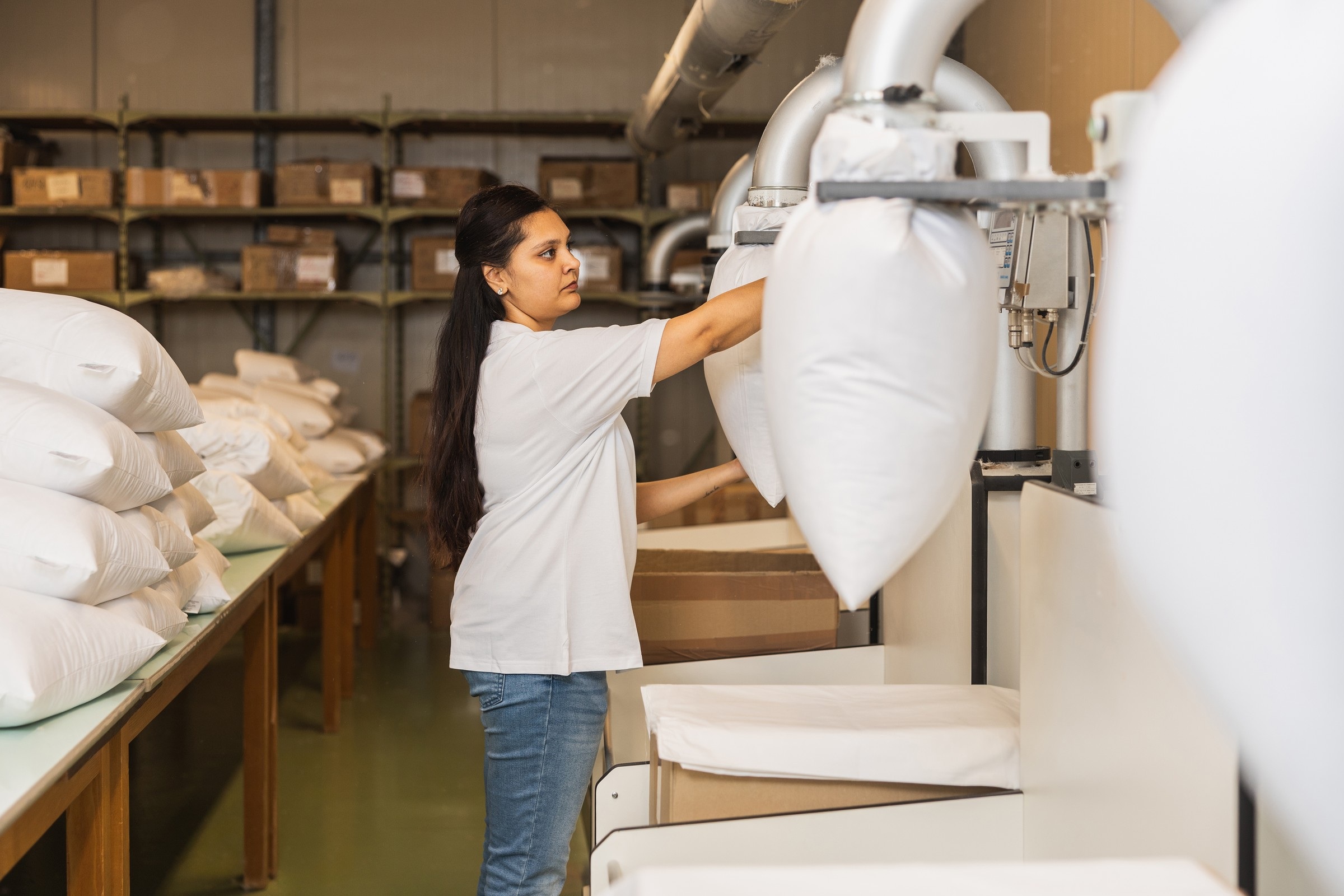
A pillow receives its filling.
Feathers and down
Feathers add support to a filling. Down adds soft, light volume. The exact blend is stated for each article.
Synthetic hollow-fibre balls provide an alternative without feathers or down. We discuss the desired filling feel and care for the particular specification.
Square, rectangular, round or a bolster: size follows your idea. PLUMA makes single pillows and custom sizes too.
For rectangular pillows, state both sides in centimetres; for round pillows, state the diameter. If you would like an existing shell filled, please explain what your measurement refers to.
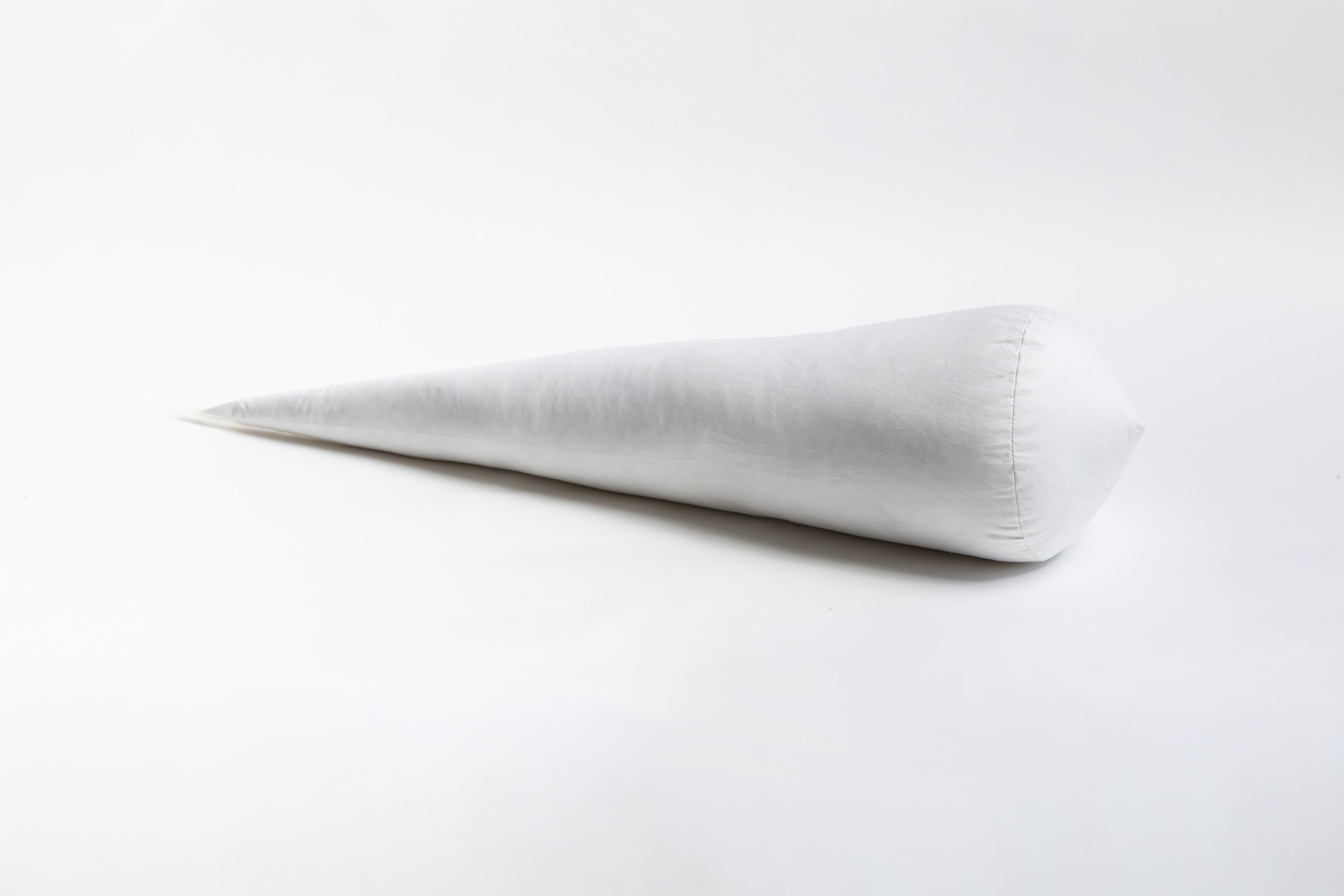
A school-cone-shaped pillow – special shapes begin with your idea.
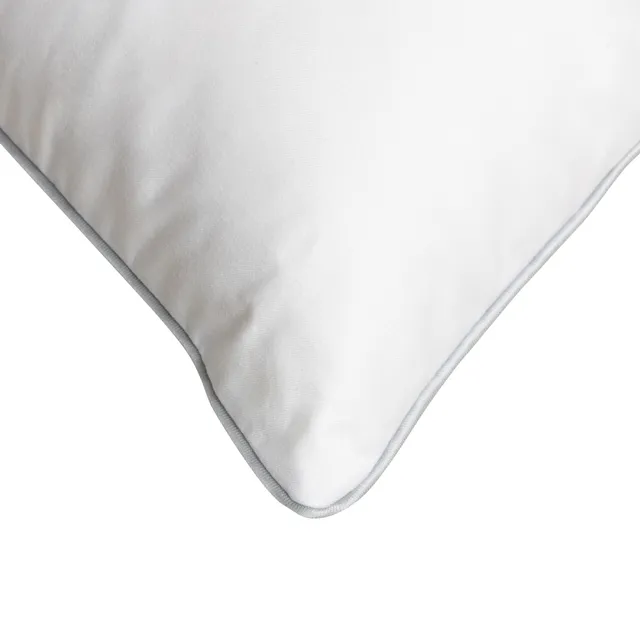
Shell, quality and piping
The fabric makes the difference.
The shell holds the filling together and shapes how a pillow feels. Weave and fineness must therefore suit the filling and intended use.
Enlarged schematic weave · not a fabric photograph, not to scale
70-grade ticking
Plain weave 1/1
Warp and weft threads cross alternately. 70-grade ticking is a dense cotton fabric for agreed pillow and bedding specifications.
Your benefit
A dense shell and the right filling together form the basis of your specification.
Enlarged schematic weave · not a fabric photograph, not to scale
100-grade ticking
Plain weave 1/1
The weave is the same as for 70er Einschütte. Both are woven in plain weave 1/1; the diagram shows only this weave structure.
Your benefit
Compare the fabric's feel and suitability for your specific filling as well as its name.
Enlarged schematic weave · not a fabric photograph, not to scale
70-grade fine twill
Twill weave 2/1
Staggered interlacing points create the characteristic diagonal lines. Fine twill has a supple feel and a robust structure.
Your benefit
For a shell with a suitable combination of feel, stability and filling. We discuss the combination for your desired specification.
Not every shell suits every filling. The particular combination of fabric, filling material and fill weight matters, rather than the fabric quality's name alone.
Schematic illustration of the construction. Fillings and quantities are specified for the particular product.
Your shell, our filling
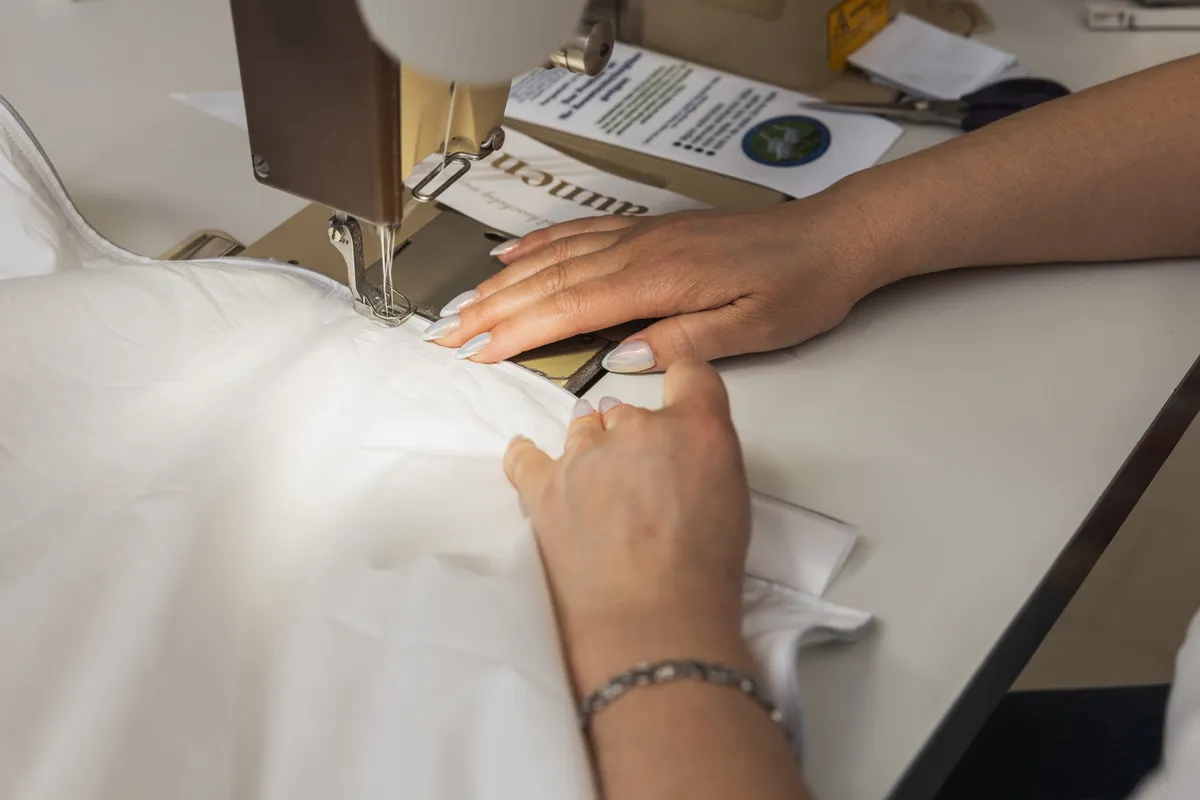
You can even provide your own ticking.
Do you make your own shells or already have ticking? PLUMA offers contract filling of ticking you send us. We discuss the right filling and the handover with you.
For an initial discussion, size, quantity and a description of your shell are helpful. You can also include a specific filling preference or known article number.